Hanoi Xoi Xeo: Sticky Rice, Mung Bean & Shallots
Xoi xeo is a familiar staple in Hanoi’s culinary scene. Without a heavy topping of meat or multiple side dishes, the combination of glutinous rice, mung bean paste, fried shallots, and rendered fat creates a distinct texture. If trying it for the first time, take a moment to look at the individual layers before mixing: that is an easier way to understand the dish than simply ordering a portion based on a photo.
Recognizing the three main layers in a portion of xoi
The glutinous rice lies at the bottom; prepared mung bean paste is added on top, along with fried shallots and fat. In archival photos, you can distinguish the pale yellow bean layer from the dark shallot slices. This presentation differs from seeing whole individual beans mixed directly into the rice.
柏
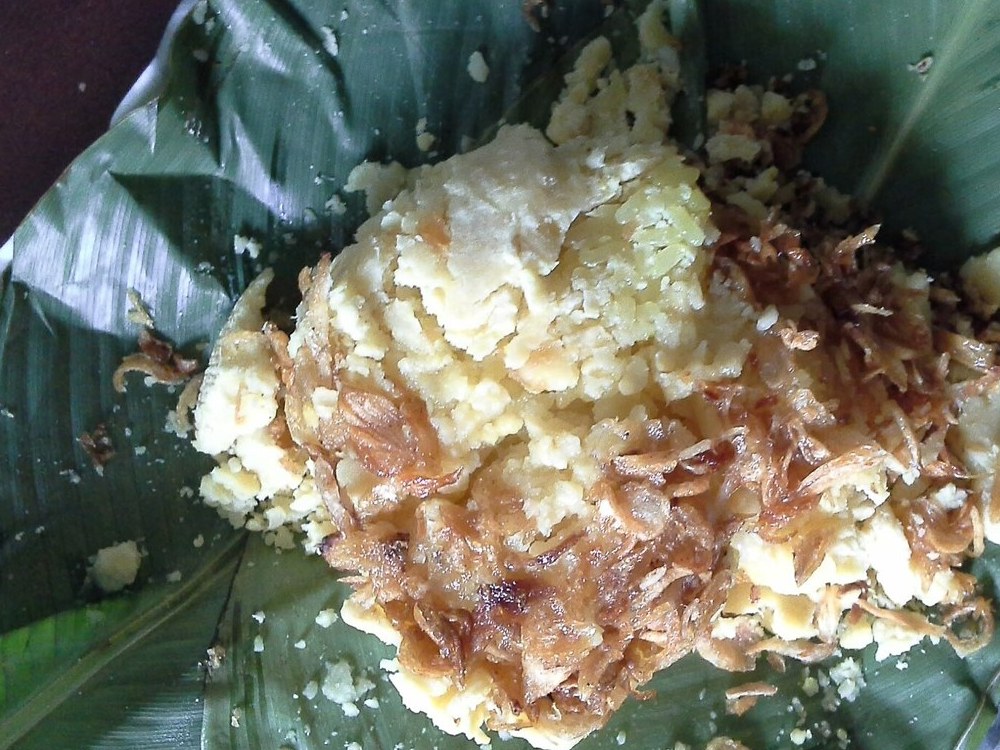
Do not assume every stall serves the exact same portion. Vendors might add pork floss or suggest side accompaniments; therefore, you should clearly ask what is included in the basic portion. If your goal is to recognize xoi xeo, a simple portion helps you focus on the rice, beans, and shallots before trying multi-ingredient variations.
Mung beans: raw ingredients versus prepared paste
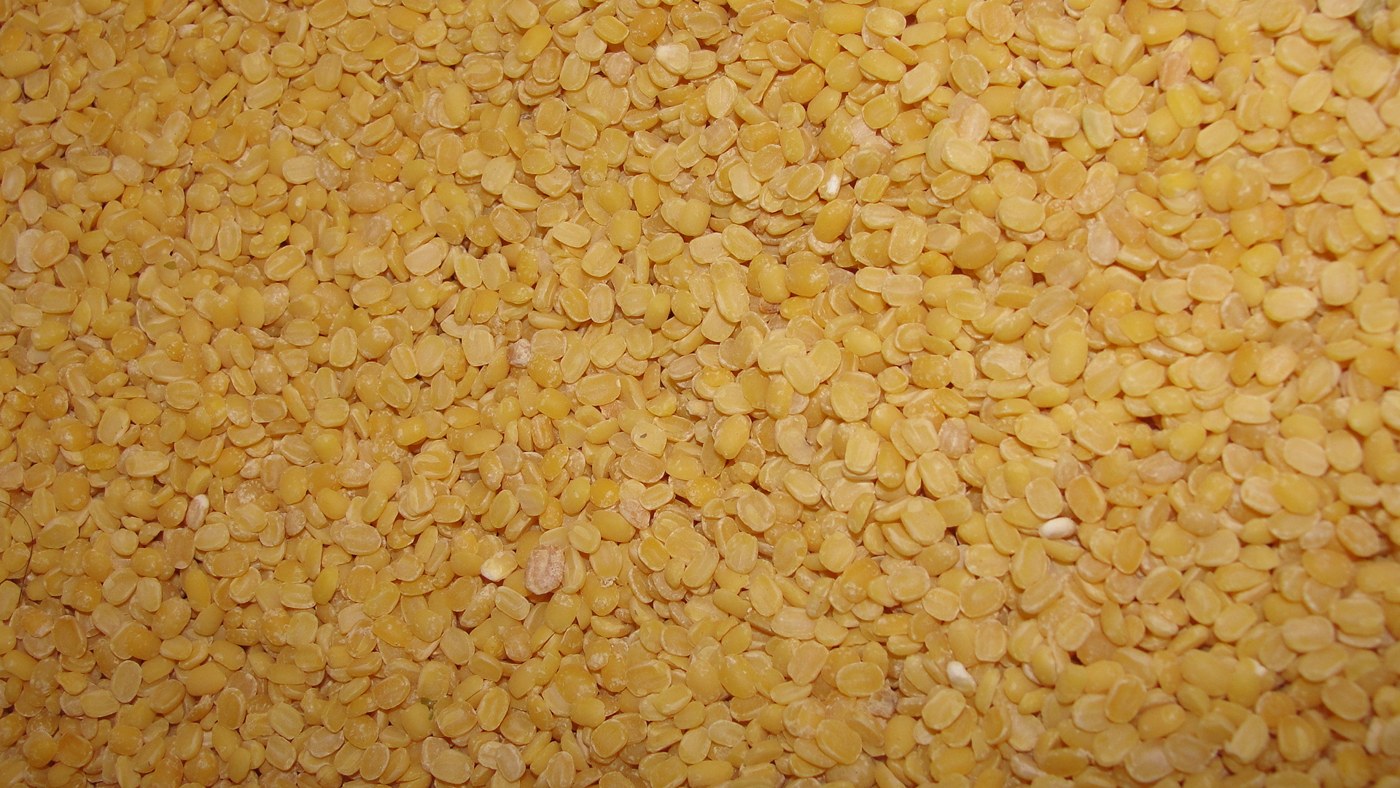
The image below shows peeled mung beans as a raw ingredient, not the bean paste used on the xoi. Placing the two images side by side helps you see the difference between loose beans and the processed topping added to the dish. The ingredient photo cannot be used to deduce the supply source of any specific xoi stall.
When served, try a bite that has both rice and beans, then compare it to a bite that is mostly rice. You can form your own opinion on the softness, savory flavor, and proportions you prefer, rather than searching for a universal “standard portion.” If you want extra beans, ask when ordering and confirm whether extra toppings have a separate charge.
Fried shallots are a small yet easily recognizable detail
Fried shallots sit on top of the xoi so they are easy to spot and also easy to adjust before packaging. If you do not like many shallots, mention it to the vendor early. For a shared meal, you can ask to keep the shallots separate if serving conditions permit, allowing each person to add them to their liking.
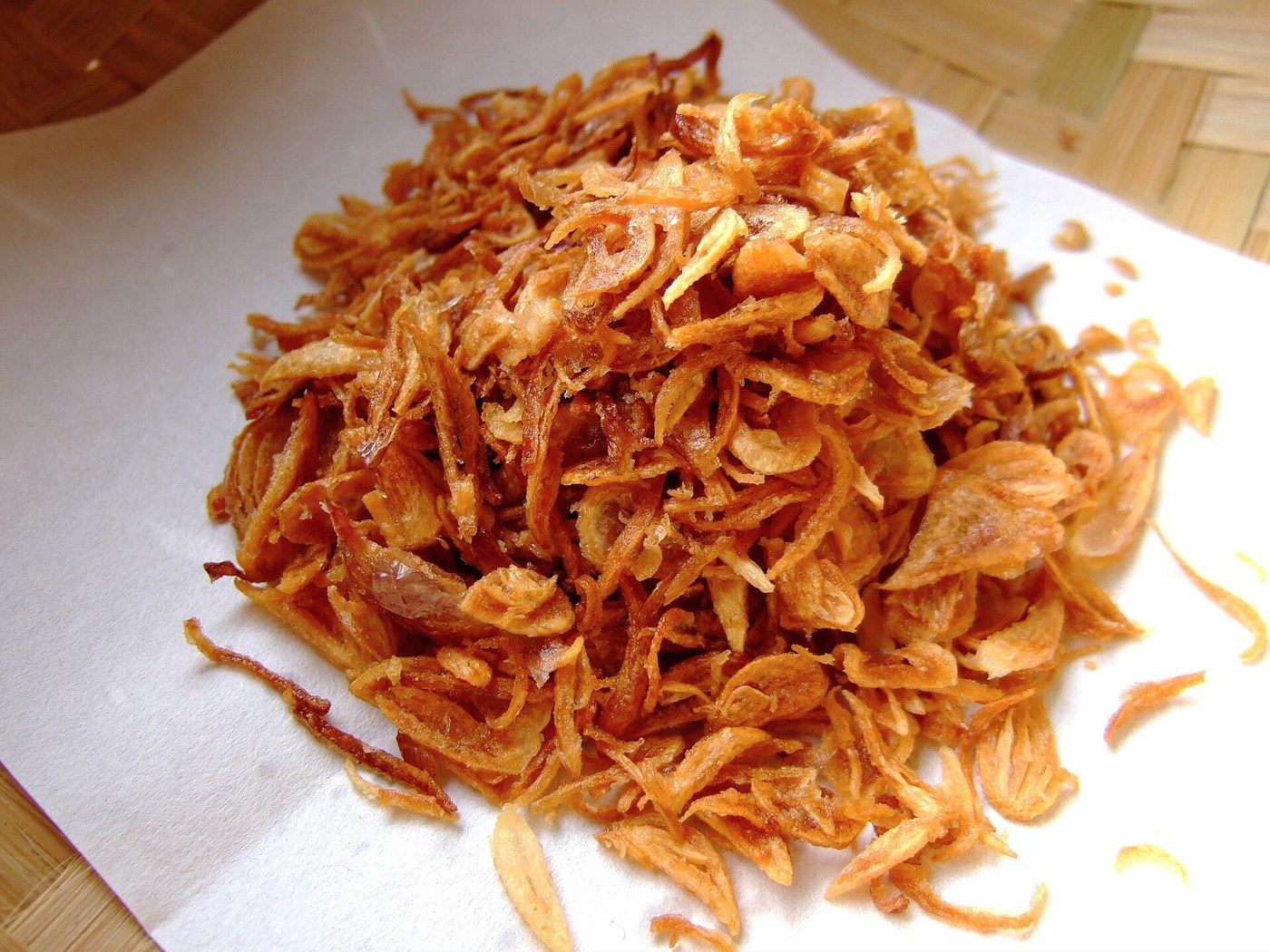
This image only illustrates fried shallots and is not a photograph taken at a Hanoi xoi stall. In an actual meal, observe the portion you receive rather than expecting it to match an archival photo completely. Differences in the color or size of shallot slices do not automatically prove the quality of the entire dish.
Ordering a breakfast that fits your schedule
If you plan to eat multiple items throughout the day, start with a moderate portion instead of adding every option available at the counter. Clearly ask about the standard portion, extra additions, and total price before ordering. This article does not provide a universal price because portion sizes and accompaniments may vary.
When in Hanoi, choosing a spot close to your accommodation or along the way to your destination is usually more convenient than making a long detour. Check the operating hours of your intended destination, especially if you want to eat late; a food item commonly eaten in the morning does not mean every stall serves it all day.
If you need takeaway
- Check your order: Does it have the correct amount of beans, shallots, and requested extras?
- Choose a convenient spot to eat: Find a suitable seating area and a place to dispose of trash, avoiding opening packages in crowded walkways.
- Do not guess ingredients: If you have dietary restrictions, directly ask about the rice, fat, and accompaniments.
- Keep specific notes: Write down what you liked about the portion you ate, without turning personal preference into a blanket review of all xoi stalls.
A portion of xoi xeo can be a simple starting point for a day of exploring Hanoi. Clearly seeing the layers, asking for the right portion, and spending a few minutes enjoying it is much more useful than simply hunting down a famous address and eating in a rush. This article uses one food photo and two ingredient photos to explain the components, rather than acting as a restaurant review photo gallery.