Northern and Southern Pho: Differences and How to Enjoy Them While Traveling
Traveling from Hanoi to Ho Chi Minh City and ordering a bowl of pho might reveal different ways of arranging herbs, seasoning the broth, and enjoying the meal. The interesting part is not about deciding which side is more “authentic,” but rather in recognizing the unique traits of each bowl. This article suggests a comparison approach for travelers, without ranking eateries or treating one region’s flavor as a universal rule.
Where are the noticeable differences?
Pho uses flat rice noodles, usually served with beef or chicken. In the Hanoi style, a clear broth and a relatively simple addition of lime and chili are frequently mentioned features. In the southern region, the side herbs are often more abundant, potentially including bean sprouts and various aromatic herbs. However, the dish varies by the cook: a bowl of pho sold in Hanoi does not represent the entire North, just as a bowl in Ho Chi Minh City cannot encapsulate southern pho.
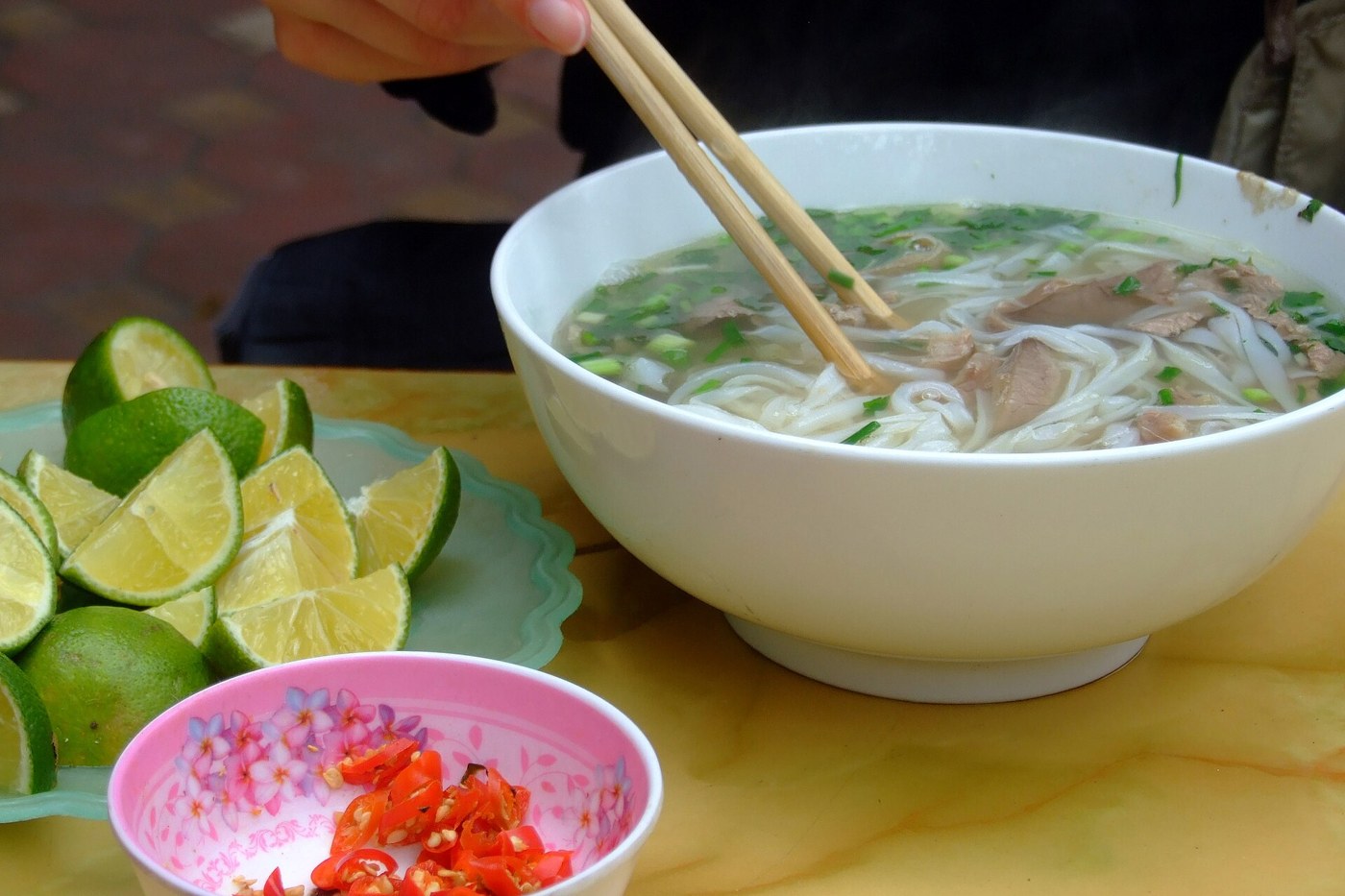
Therefore, do not rely solely on the plate of herbs or the color of the broth to conclude the dish’s origin. The menu’s name and the seller’s explanation are more helpful. If an eatery lists Northern pho in a southern city, consider it an opportunity to try a cooking style from elsewhere, rather than automatically calling it Southern pho.
Tasting the same type of pho for a fairer comparison
If your itinerary includes both Hanoi and Ho Chi Minh City, try the same option, such as beef pho with similar cuts of meat. Comparing chicken pho at the starting point with beef pho at the next destination will make it hard to distinguish between regional differences and ingredient variations.
When the bowl is just served, take a spoonful of the broth before adding any condiments. You might mentally note three things: what the prominent aroma is, how the initial taste feels, and whether the sensation changes after eating it with the noodles. This is a way to observe personal taste, not a test to grade the cook.
Herbs and condiments: try a little at a time
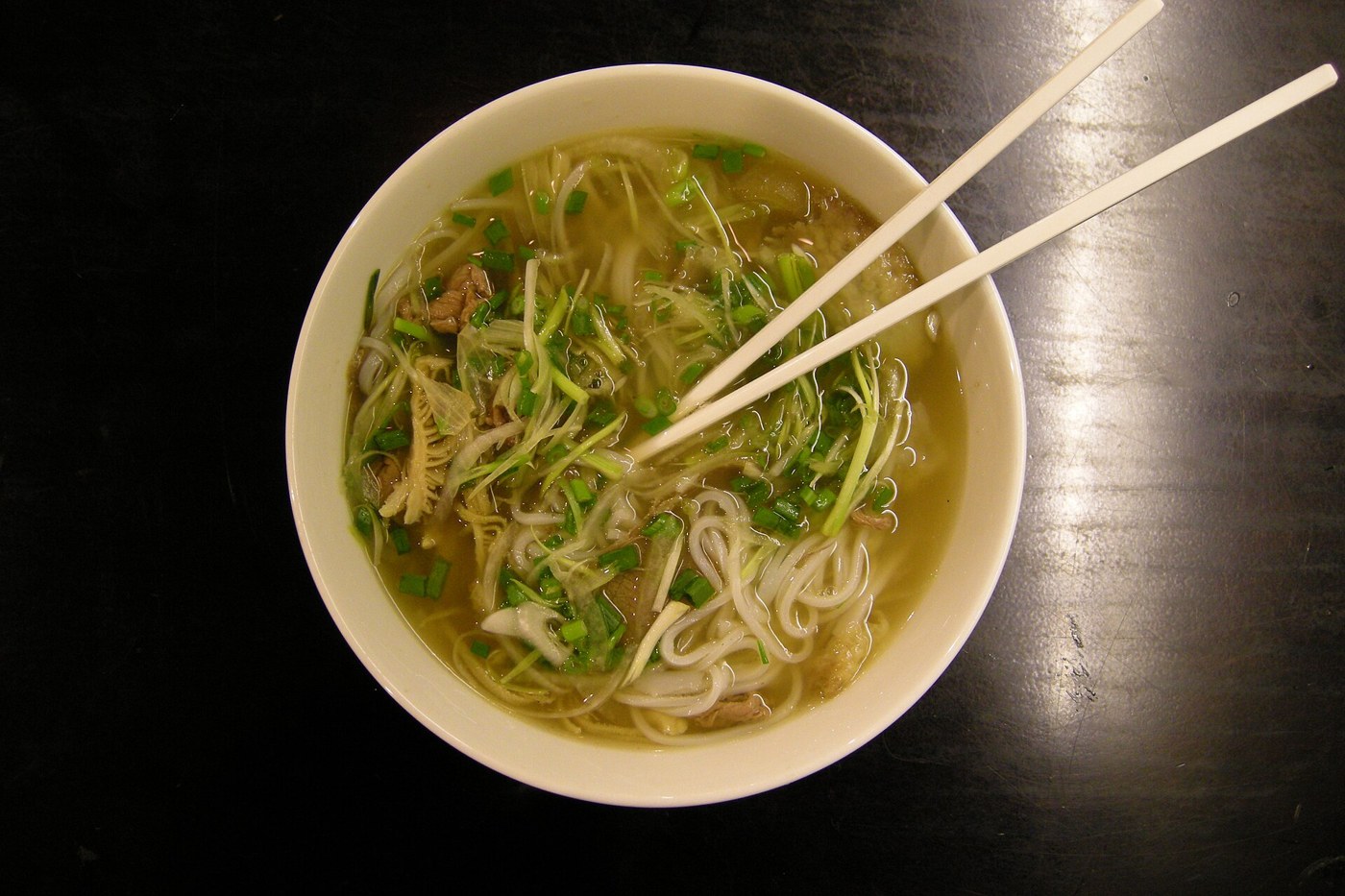
There is no need to put everything on the table into your bowl. If you want to understand the influence of aromatic herbs, add a small amount and taste again; then adjust the sourness or spiciness. Taking it step by step helps you figure out which parts you like, while avoiding turning two inherently different bowls into the same strong flavor profile.
If you do not eat scallions, dislike herbs, or prefer condiments served on the side, mention it right when ordering. A brief request such as “a regular portion, no scallions, chili on the side” is clearer than waiting until the bowl is completed to ask for changes. For an unfamiliar dish, you can ask the seller what is usually served with it; you can still choose the way of eating that suits you best.
Chicken pho is a distinct choice, not a regional substitute
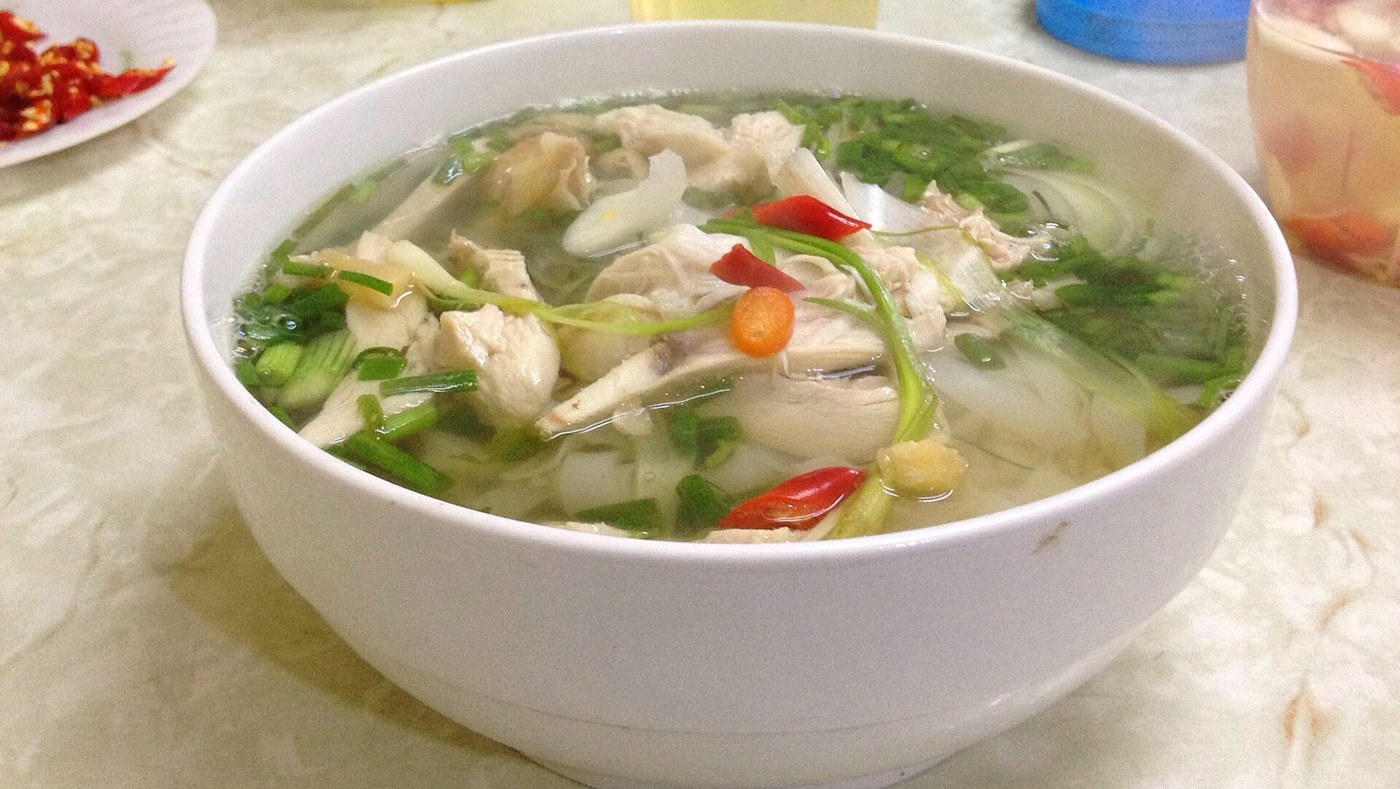
During a trip to Hanoi, a meal of chicken pho can complement your experience alongside beef pho. You should give this dish its own dedicated tasting rather than using it as the sole reference point against a bowl of beef pho eaten in the South. When recording your journey, note down the specific dish ordered and its actual ingredients, avoiding general descriptions like “pho here is always like this.”
Arranging pho meals in your itinerary
- Choose locations near your route: if your morning has scheduled sightseeing, prioritize a conveniently located spot and check their operating hours directly before going. Avoid making long detours just to follow a word-of-mouth list.
- Ask clearly about portions: confirm regular versus large portions, which side dishes are charged separately, and the price before ordering. This article does not provide a fixed price range for the entire city.
- Do not order too much just for photos: if you still plan to try other foods, ask if smaller portions are available. A moderately sized meal makes the next culinary experience more comfortable.
- Take concise notes: save the dish name, location, time, and what you liked. Photos of a bowl of pho help you remember the trip, but they do not inherently prove the quality or flavor.
You do not need to choose Northern or Southern pho as your favorite “team.” Trying the same type of dish, tasting it before adding seasonings, and paying attention to the service style will give you a deeper culinary experience. The three images in this article are archival photos of specific bowls of pho in Hanoi and Ho Chi Minh City, and do not serve as a guarantee of the current menu or presentation at any specific eatery.