Banh Canh: From Clay Molds to Central Vietnam Dining
An exploration of Central Vietnamese cuisine does not necessarily have to start with a platter of seafood. Banh can is an option to sit by the stove, watch each small cake take shape, and try combining the cakes with dipping sauces and side dishes. For first-time eaters, the important thing is not to order a large variety of fillings, but to choose a moderate portion to appreciate the flavor of the freshly heated cakes.
Recognizing Banh Can from the Clay Mold
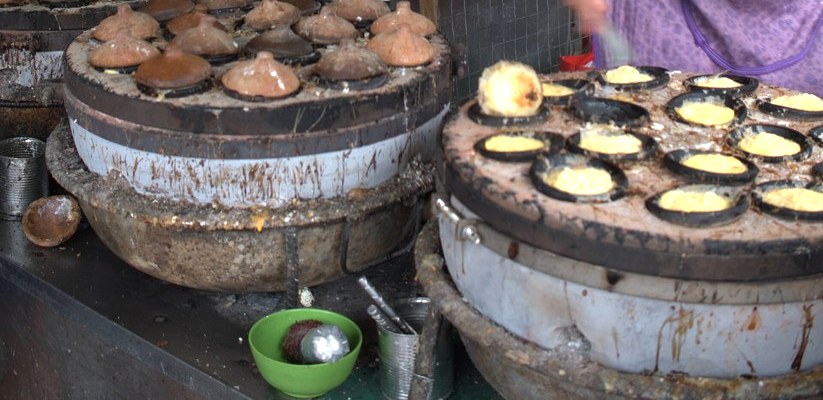
Banh can is made from rice batter, poured into small, round terracotta molds set over a stove. The mold lids are lifted and lowered with each batch. The cakes can be kept plain or topped with egg, shrimp, and other fillings depending on the vendor. This dish is tied to the South Central Coast; Nha Trang and Phan Rang are ideal destinations to explore this dish during your travels.
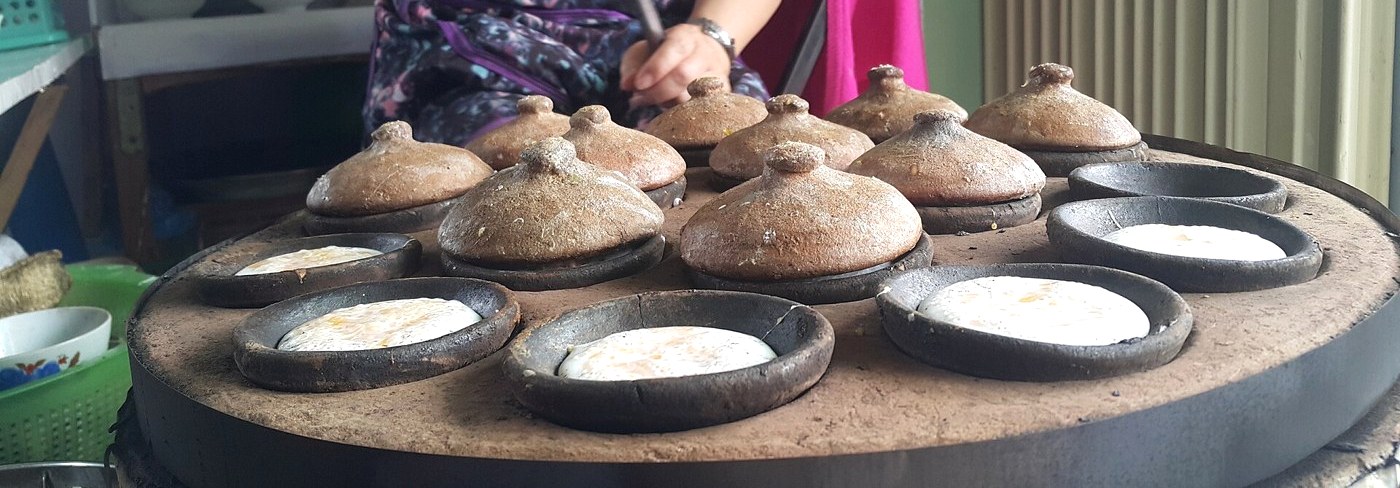
When standing by the stove, choose a spot that does not block the delivery of the cakes and keep a distance from the hot mold surface. If you want to take photos of the cook, ask beforehand; a good picture is not worth disrupting their cooking batch.
What to Keep in Mind When Eating Banh Can in Nha Trang?
In Nha Trang, banh can options include quail egg, shrimp, or squid. Accompaniments may feature scallions, shredded green mango, siu mai meatballs, or pork crackling; not every stall serves the same things. Therefore, do not assume that the appearance of one plate represents the menu for the entire city.
An easy way to order is to ask clearly how many cakes come in a portion, which fillings are included, and which side dishes are charged separately. If dining as a pair, you can share one portion first before deciding to order more. This approach also saves room for other dishes without leaving food unfinished.
Tasting Each Flavor Before Mixing
With a fresh batch straight from the mold, let the cakes cool slightly and try a small piece first. Then add a little dipping sauce and side dish to adjust to your palate. Pouring a lot of dipping sauce in from the start makes it hard to distinguish the flavor of the cake, and difficult to fix if it turns out too salty or spicy.
If you dislike scallions, cannot eat a certain filling, or need to avoid specific ingredients, ask right when ordering. In particular, fillings and dipping sauces are two components to inquire about separately; the name of the cake type does not reveal every ingredient in the meal. Removing a topping on the surface does not mean changing all the ingredients inside the cake portion.
Viewing the Dish Through Different Versions
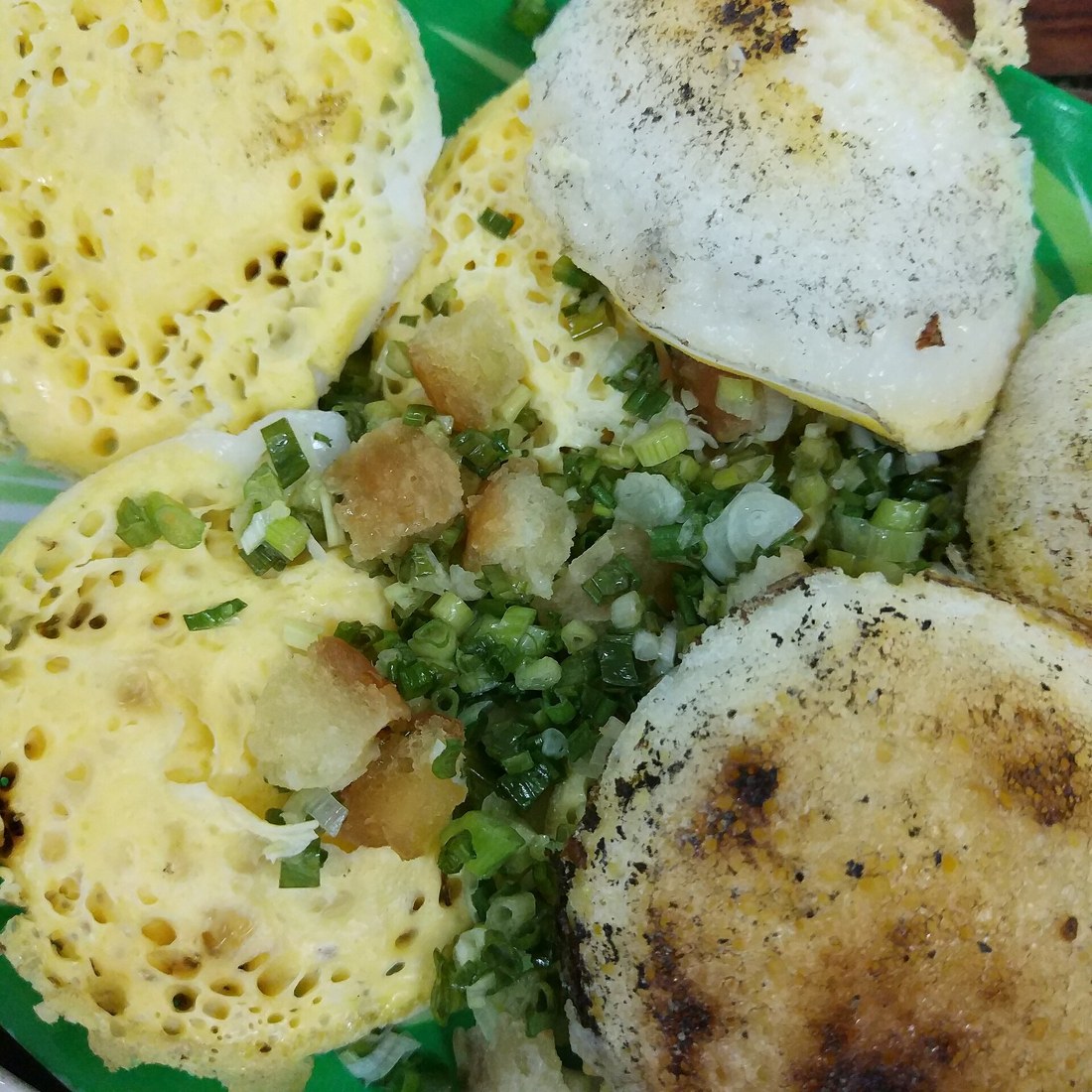
The photo of banh can in Phan Rang below clearly shows small holes on the cake surface and the bottom touching the mold. This is an archival photo of the dish in Phan Rang, not a photo taken at a specific vendor in Nha Trang. As you travel through multiple destinations, you can separately note the fillings, side dishes, and service styles rather than hastily concluding that every place is the same.
Arranging a Simple Meal on Your Trip
Choose an eatery along your sightseeing route, check actual opening hours, and ask for prices before ordering. This article does not provide a fixed price list because portion sizes and filling types can vary. If you have an active travel schedule right afterward, ask about the waiting time for a new batch instead of just looking at the number of empty tables.
A memorable experience sometimes just means watching the batter being poured into the mold, eating a hot portion slowly, and finding out which combination you prefer. There is no need to turn the meal into a race across multiple eateries to appreciate the unique charm of this small pastry.