Where to Travel in Northern Vietnam in August? 12 Beautiful Destinations
August is an interesting transitional month in Northern Vietnam: the mountainous regions begin to experience milder sun and terraced rice fields start changing colors, while the coast still enjoys clear blue days. However, this is also a time when heavy rains may occur, so a great trip requires flexible preparation. Below are 12 suggestions that are easy to choose based on your preferences, ranging from weekend getaways to longer journeys.
1. Hanoi – Touching the Early Days of Autumn
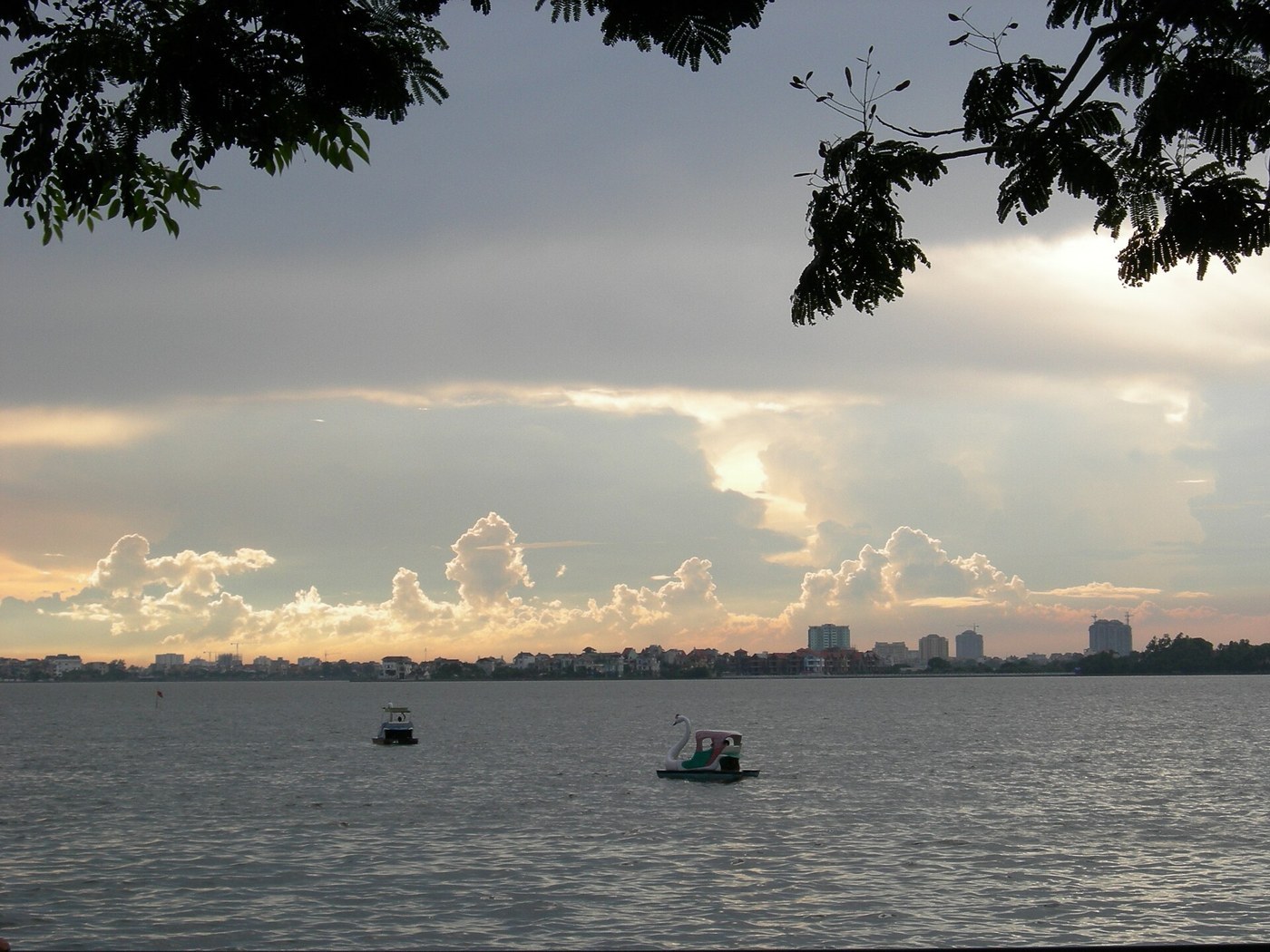
Hanoi in August typically features softer mornings and breezes signaling the arrival of autumn. You can walk around Hoan Kiem Lake, visit the Old Quarter, the Temple of Literature, or choose a cafe overlooking tree-lined streets. If you only have one day, prioritize a compact itinerary in the center and spend the evening exploring the local food scene.
2. Ha Giang – The Transition of Green at the Frontier
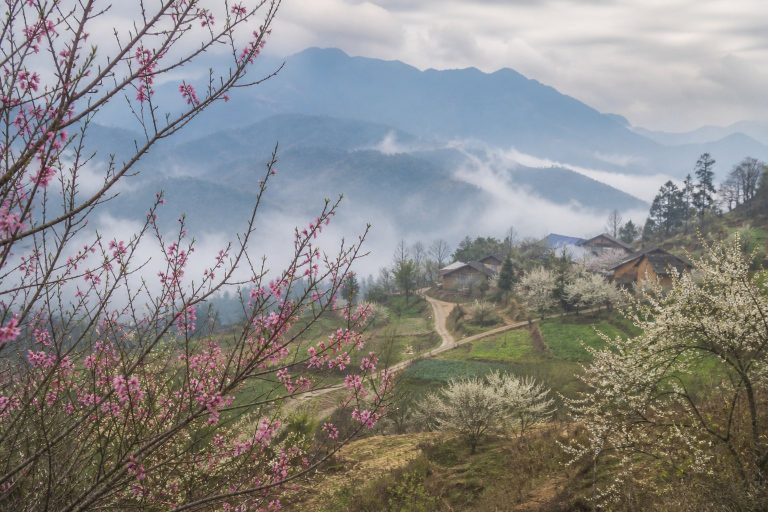
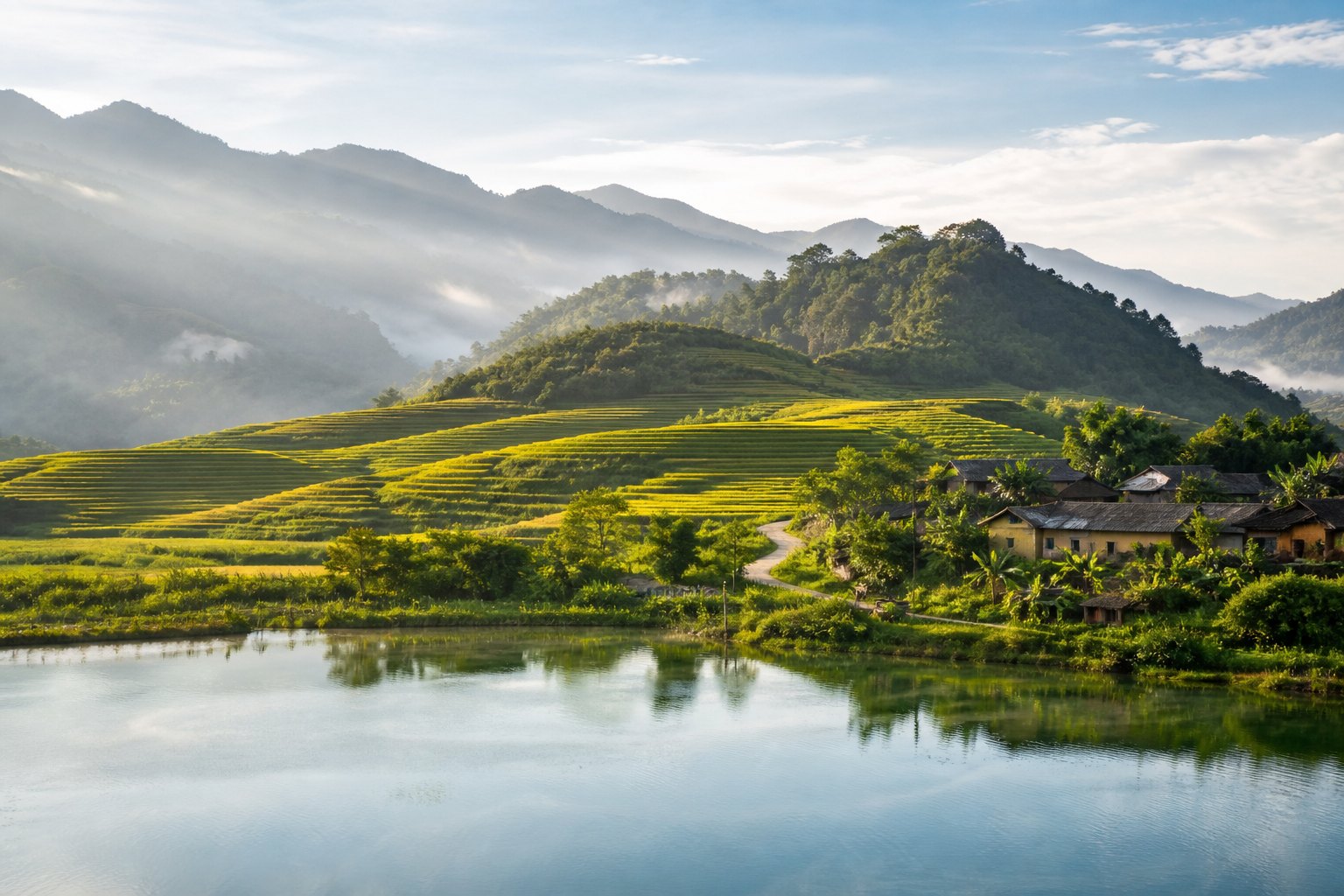
The winding mountain passes through Quan Ba, Dong Van, and Ma Pi Leng are always the highlights of Ha Giang. In late August, some terraced rice fields begin to turn golden, looking especially stunning right after the rain stops. Following administrative reorganizations, Ha Giang now belongs to the new Tuyen Quang province, but the name Ha Giang is still commonly used to refer to this familiar travel region.
3. Moc Chau – Waterfalls and Cool Highlands
Moc Chau is ideal for those seeking a short break amidst the highland atmosphere. Chieng Khoa Waterfall usually has an abundant water flow during the rainy season, creating a powerful and lush landscape. Be sure to choose shoes with good traction, check the rain forecast, and avoid getting close to the stream when the water is muddy or rising rapidly.
4. Sapa – Cloud Hunting and Village Visits
August in Sapa brings clouds, sunshine, and rain that alternate quite quickly. A light itinerary can combine the town center, Cat Cat village, and a mountain viewpoint. Sapa currently belongs to Lao Cai province; following provincial-level adjustments, the new Lao Cai name encompasses the former areas of both Lao Cai and Yen Bai.
5. Lang Son – A Journey of Spirituality and Cuisine
Lang Son is suitable for a one- or two-day trip from Hanoi. Besides sites like Nhi Thanh cave, Ky Cung temple, and Tien pagoda, travelers can spend time trying roasted duck, khau nhuc (braised pork belly), or sour pho. August weather can bring sudden showers, so it is best to pack a light jacket and a folding umbrella.
6. Hai Phong – From Port City to Coastal Islands
Hai Phong offers multiple options within a single trip: dining in the city center, relaxing at Do Son beach, or heading out to Cat Ba. If you are going to the island, check the ferry schedule and weather conditions before departure. The current Hai Phong city also includes the former area of Hai Duong prior to the merger.
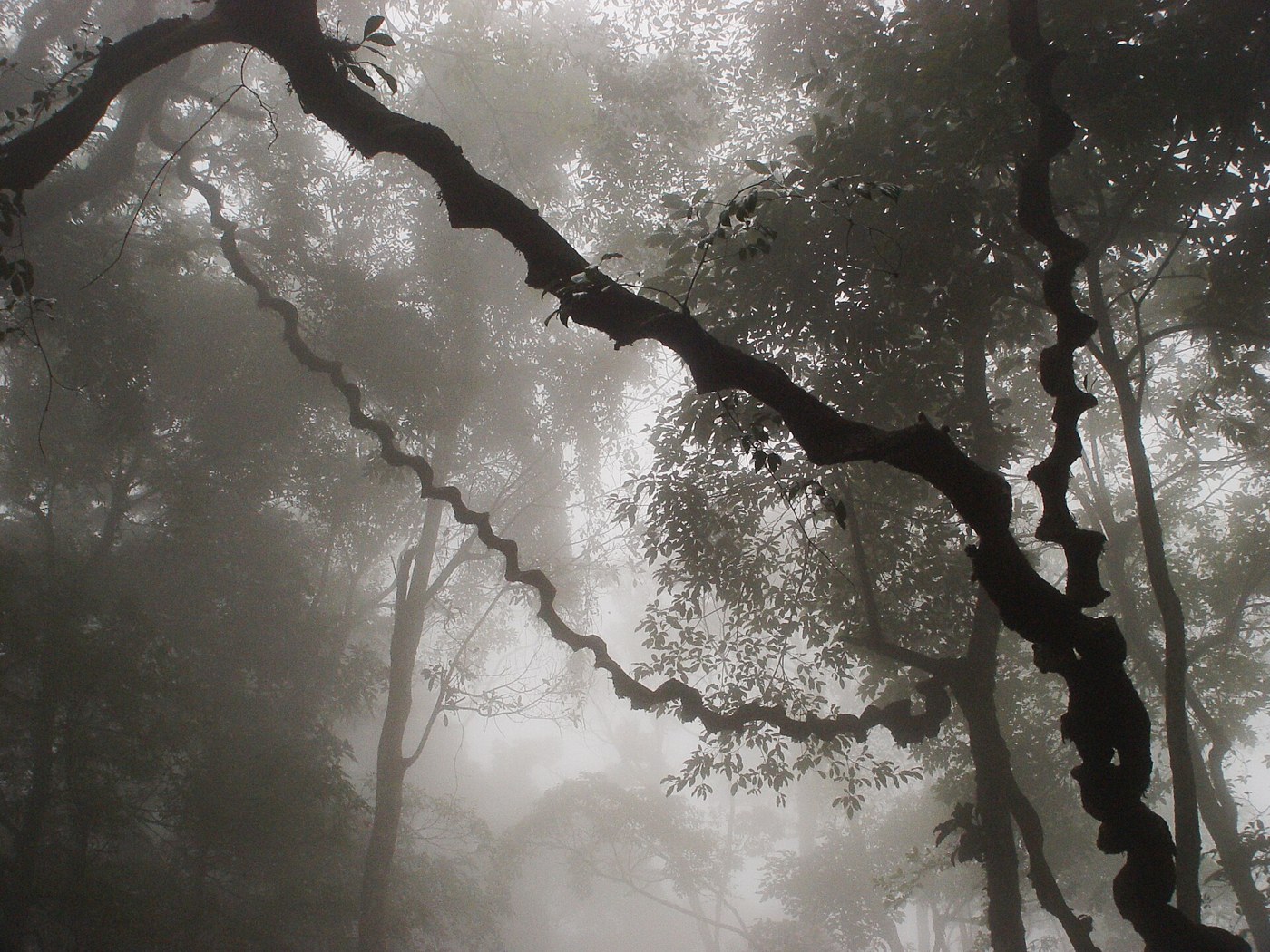
7. Tay Yen Tu – Finding Silence Amidst Mountains and Forests
The atmosphere of Tay Yen Tu is well-suited for a pilgrimage combined with sightseeing. This area formerly belonged t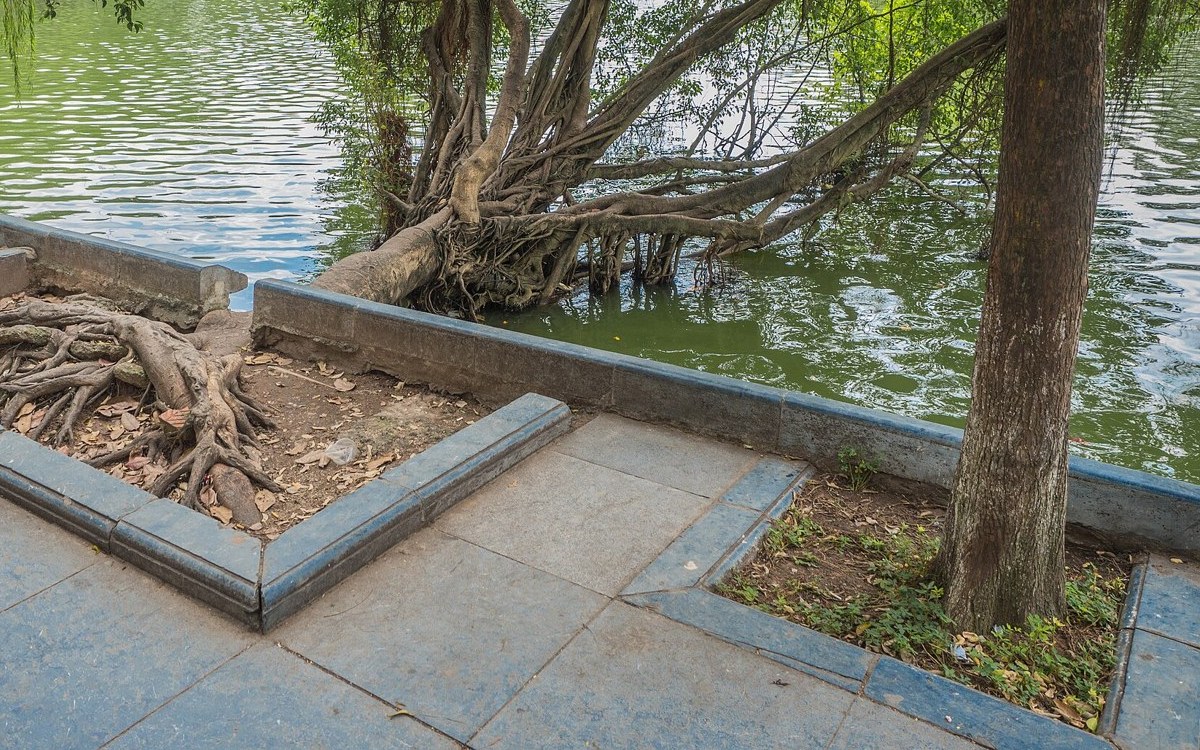
8. Thai Binh Infinity Beach – Catching Sunrise on the Mudflats
The beauty of the infinity beach depends heavily on water levels, tides, and lighting. To get a great experience, check the tide schedule, arrive before dawn, and go with someone knowledgeable about the mudflat paths. The former Thai Binh area now belongs to the new Hung Yen province, so you might encounter both address formats when looking up directions.
9. Hung Yen – The Sweet Season of Longans
August usually coincides with the longan harvesting season. If you visit an orchard, ask in advance about visitor schedules and experience fees. Besides enjoying longans, you can combine your trip with visits to cultural sites in Pho Hien to make your itinerary more diverse.
10. Na Hang – Lake Waters and Rocky Mountains in Tuyen Quang
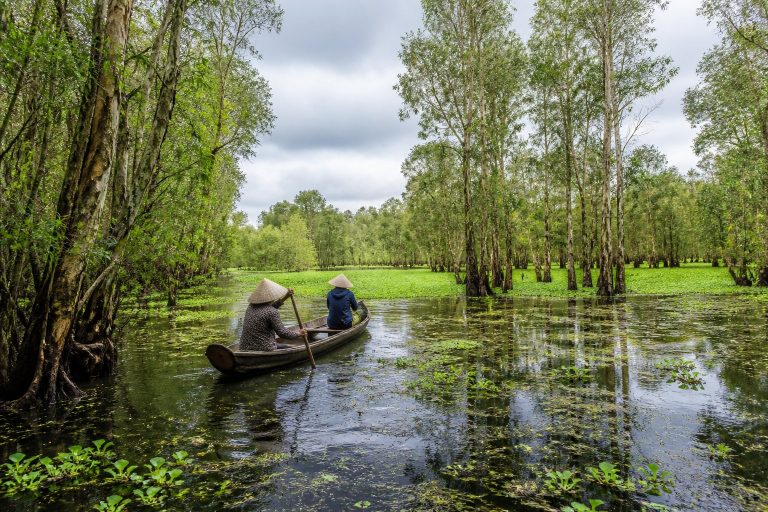
Na Hang is captivating due to its expansive lake, rocky mountains, and peaceful ambiance. The scenery is lush this season, but rain can affect boating or trekking activities. Prioritize reputable local transport providers, wear life jackets, and avoid scheduling things too tightly.
11. Xuan Son National Park – Relaxing in Phu Tho’s Nature
Xuan Son is perfect for lovers of forests, waterfalls, caves, and local indigenous life. Trails can be slippery after rain, so anti-slip footwear is essential. Phu Tho province currently includes the former areas of Vinh Phuc and Hoa Binh prior to the reorganization, while the name Xuan Son remains the clearest landmark for searching.
12. Ba Be Lake – A Slow-Paced Journey Among Mountains and Forests
Ba Be Lake brings a sense of relaxation with its calm waters, primeval forests, and Tay ethnic minority villages. You can take a boat ride, kayak, or stay at a homestay, but you must follow safety guidelines during bad weather. The former Bac Kan now belongs to the new Thai Nguyen province, so it is wise to keep both names in mind when researching your route.
Tips for Traveling in Northern Vietnam in August
- Monitor weather forecasts and heavy rain warnings before heading to mountainous areas.
- Do not attempt to cross streams, tackle mountain passes, or go down to waterfalls when water levels are rising and visibility is poor.
- Book accommodations with date-change policies if your itinerary depends heavily on the weather.
- Pack a light raincoat, shoes with good traction, insect repellent, and waterproof bags.
- Keep your itinerary flexible so you can change destinations when necessary.
If you prefer urban vibes and culinary experiences, Hanoi or Hai Phong are easy to visit. Mountain lovers can consider Ha Giang, Sapa, Moc Chau, or Na Hang, while slow-paced nature trips will suit Xuan Son and Ba Be Lake. Choosing the right travel pace and respecting the weather will make your August journey much smoother.