Phuoc Lam Pagoda Hoi An: History, Architecture & Guide
Phuoc Lam Pagoda is an ancient temple located about 3 km from the Hoi An ancient town, now situated in Hoi An Tay ward, Da Nang city. Its muted tile roofs, leafy courtyard, and lotus pond create a tranquil atmosphere quite different from the crowded streets. This is an ideal spot to learn about Buddhist history and traditional architecture in the Hoi An region.
History of Formation
The temple was founded by Zen master Thiet Dinh around the middle of the 18th century. Through various periods, the structure has been restored and expanded while retaining its role as a long-standing Buddhist institution in Hoi An. In the early 20th century, the temple was bestowed a royal decree, a milestone reflecting the site’s position in local religious life.
Today, historical imprints are present in the overall layout, roof systems, wooden columns, altars, and some old ceramics. When visiting, it should be regarded as an active place of worship rather than merely a photo backdrop.
Architecture and Landscape
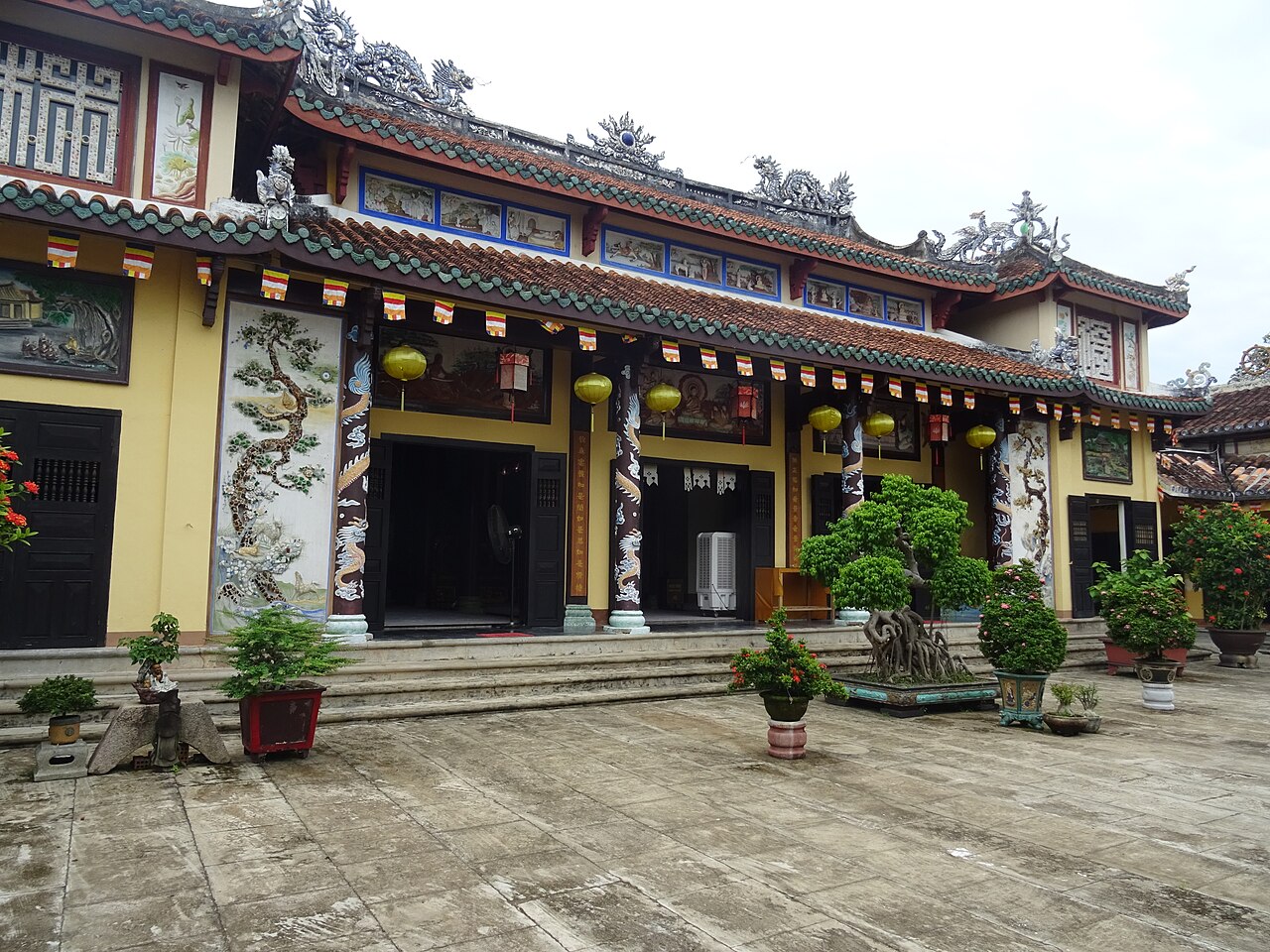
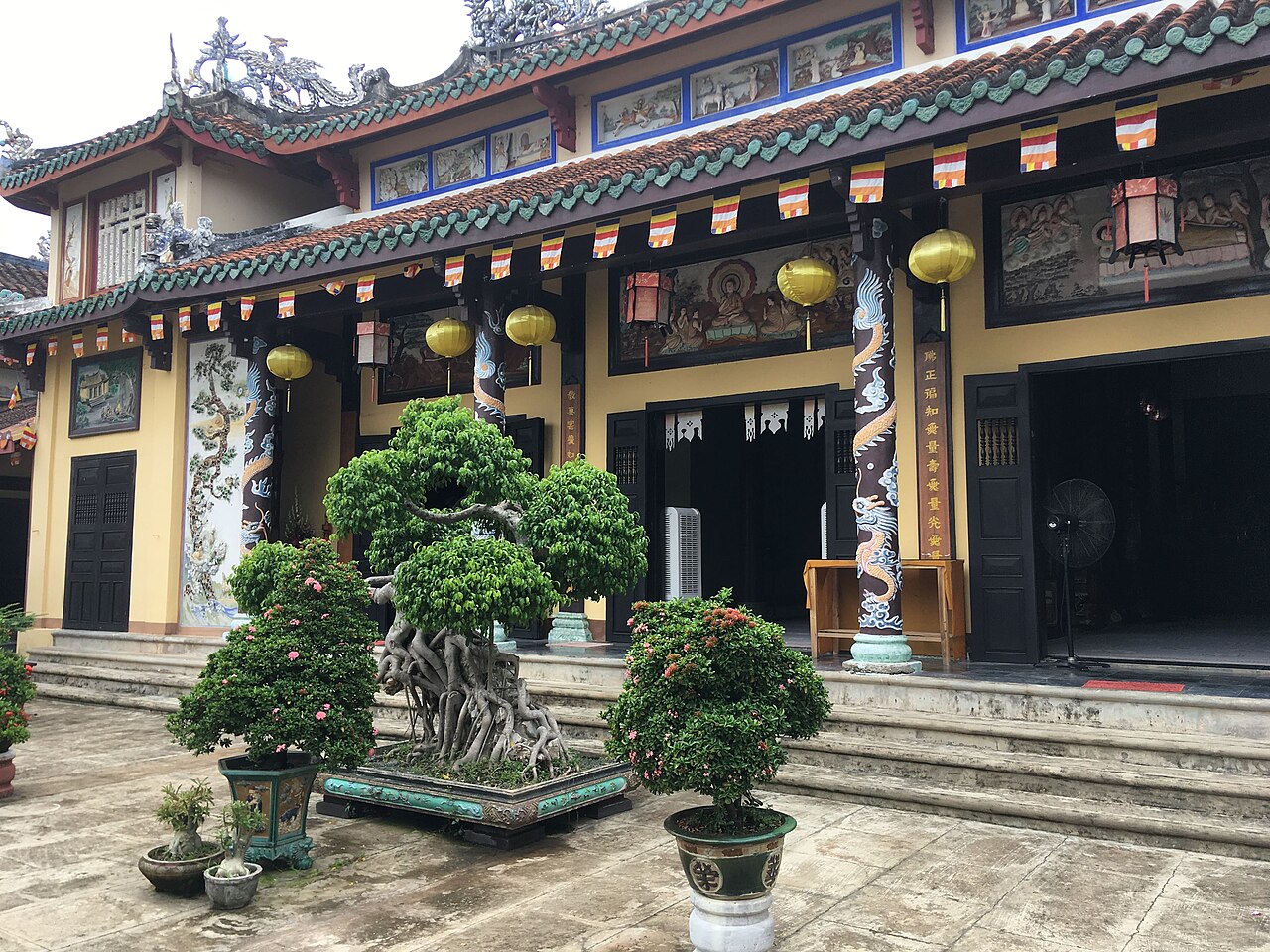
Stepping through the gate, a pathway leads past green foliage to the main buildings. Layered tiled roofs, curved eaves, and wooden structures create a solemn yet approachable look. The pond and mature trees cool the grounds while providing a quiet transitional space before entering the sanctuary.
The beauty of the pagoda lies in its balance and the traces of time, rather than in ostentatious details. Take your time to observe the old tiles, wooden carvings, and how the building blocks connect around the courtyard.
Worship Space and Artifacts
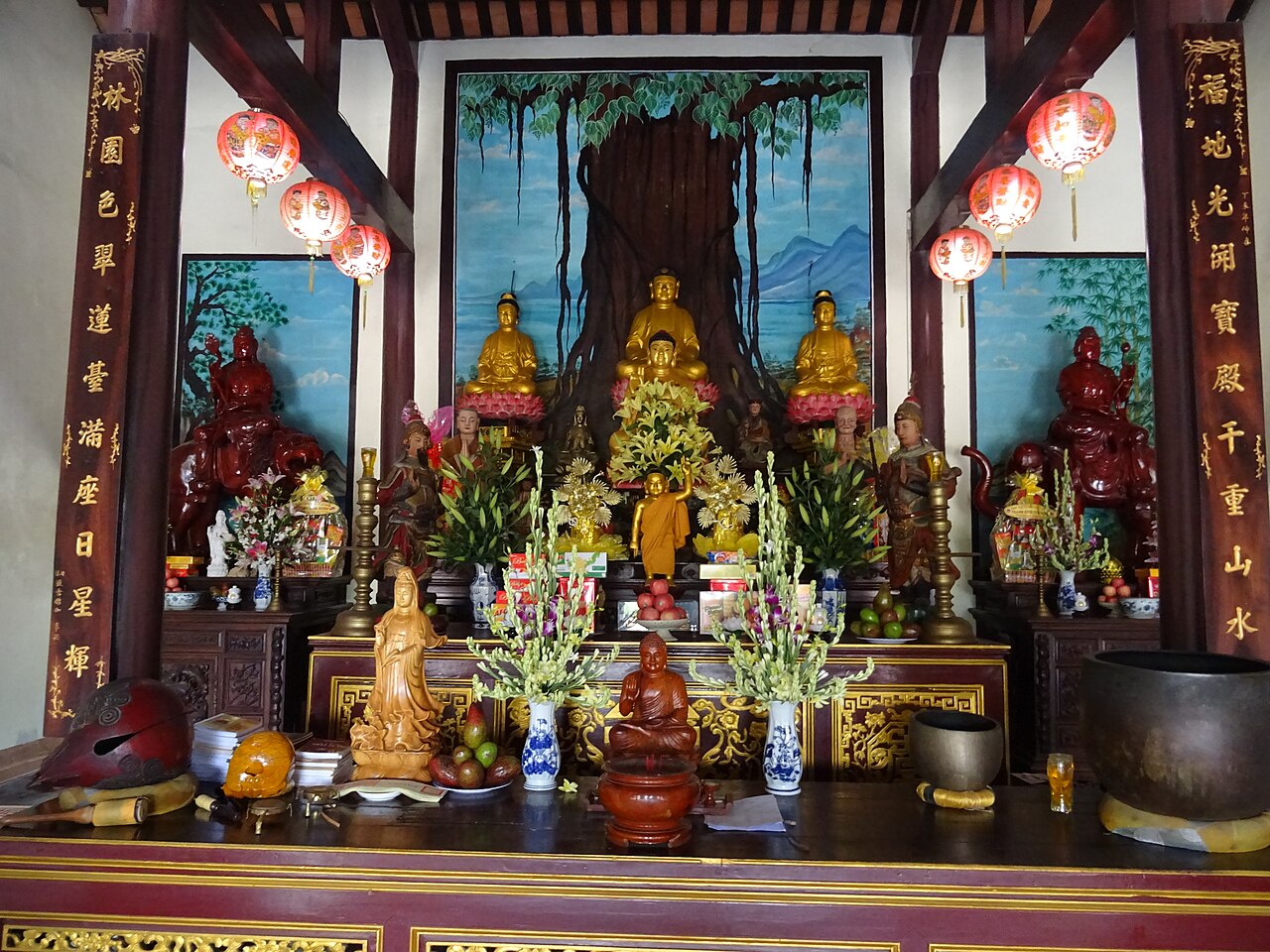
Inside the worship halls are a system of Buddha statues, wooden altars, and historically valuable decorative details. Some old ceramics and utensils help visitors visualize the long-term existence of the temple. The lighting is typically subdued, so your eyes will need a few minutes to adjust before observing.
Do not touch statues, altars, or artifacts. Photography in the main hall requires prior permission; if permitted, do not use flash and avoid blocking walkways during rituals. During religious ceremonies, remain silent or wait in the courtyard area.
Visitor Tips
- Wear modest clothing, speak softly, and keep your phone on silent mode.
- Visit in the morning for cooler weather and easy integration into a Hoi An itinerary.
- Do not arbitrarily open doors, enter private areas, or move objects.
- Do not pose inappropriately, climb on altar steps, or use a flycam without permission.
- Keep the temple yard clean, do not pick flowers, pluck leaves, or drop items into the pond.
How to Combine Your Hoi An Itinerary
From the ancient town, you can set aside about 60 to 90 minutes for travel and sightseeing time. The pagoda suits a morning itinerary, after which you can continue exploring craft villages or return to the center. Avoid visiting too close to closing time or during religious activities.
If traveling by motorbike or bicycle, park in the designated areas and do not block the gate. Maps can point the way quickly, but narrow lanes around Hoi An can sometimes be crowded; travel slowly and prioritize easily navigable roads.
Phuoc Lam Pagoda offers a moment of quiet reflection to better understand the cultural depth of Hoi An. A meaningful visit begins with a respectful attitude: dressing appropriately, observing gently, and leaving the space intact for those who come after.
Frequently Asked Questions
Should I visit the pagoda just to take photos?
Landscape photography is part of the experience, but reverence must be prioritized, permission asked in worship areas, and worshippers must not be disturbed.
Is the pagoda far from the ancient town?
The distance is about 3 km, making it suitable for a short trip by bicycle, motorbike, or car depending on conditions.