Ong Pagoda Hoi An: History, Architecture & Visitor Guide
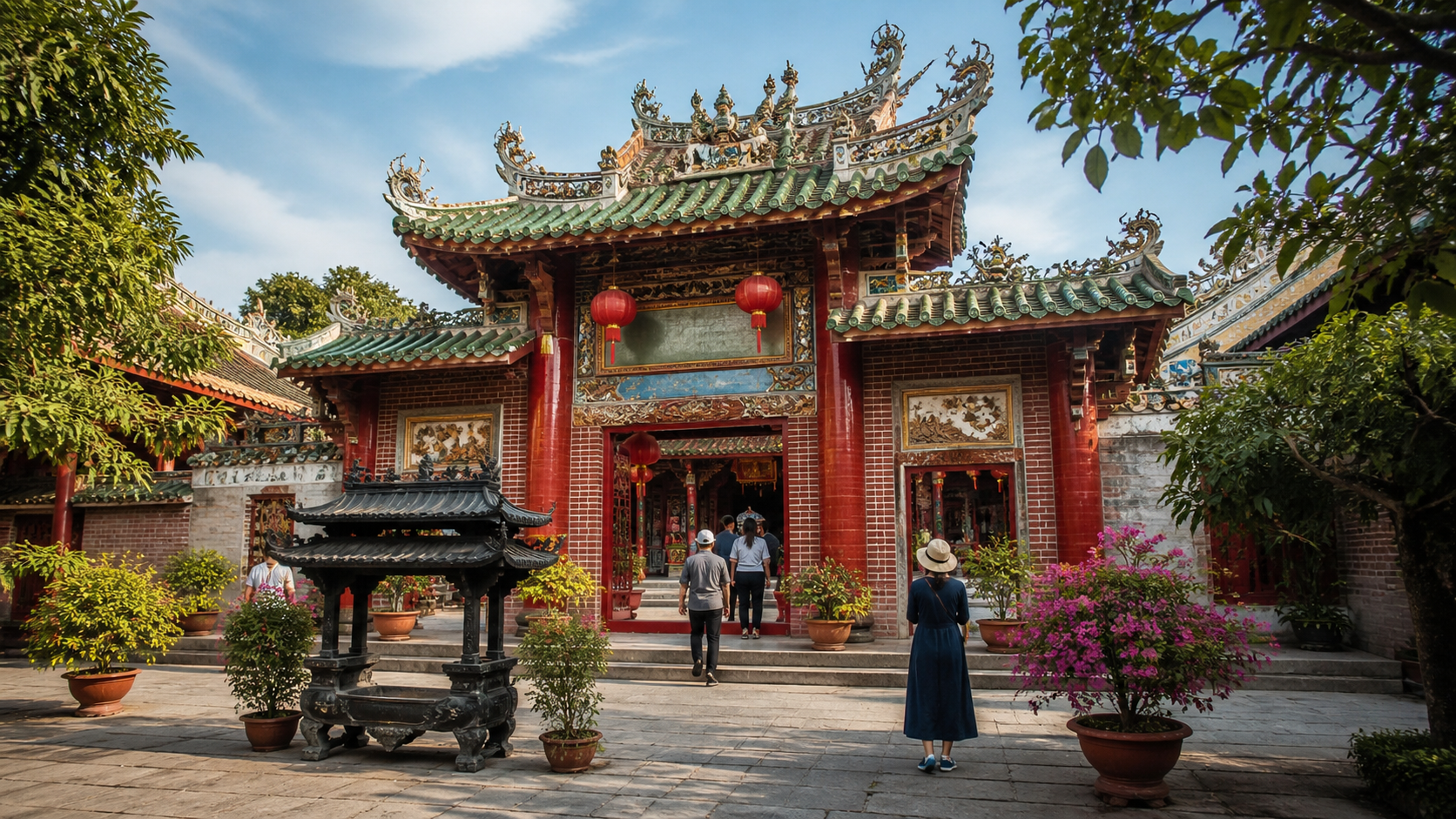
Ong Pagoda in Hoi An, also known as Quan Cong Temple, is a distinctive cultural landmark nestled within the ancient town. The structure not only impresses visitors with its deep red tones, tiled roofs, and intricate carvings, but it also tells the story of the merchant community that once helped shape this bustling trading port.
Where is Ong Pagoda and what makes it special?
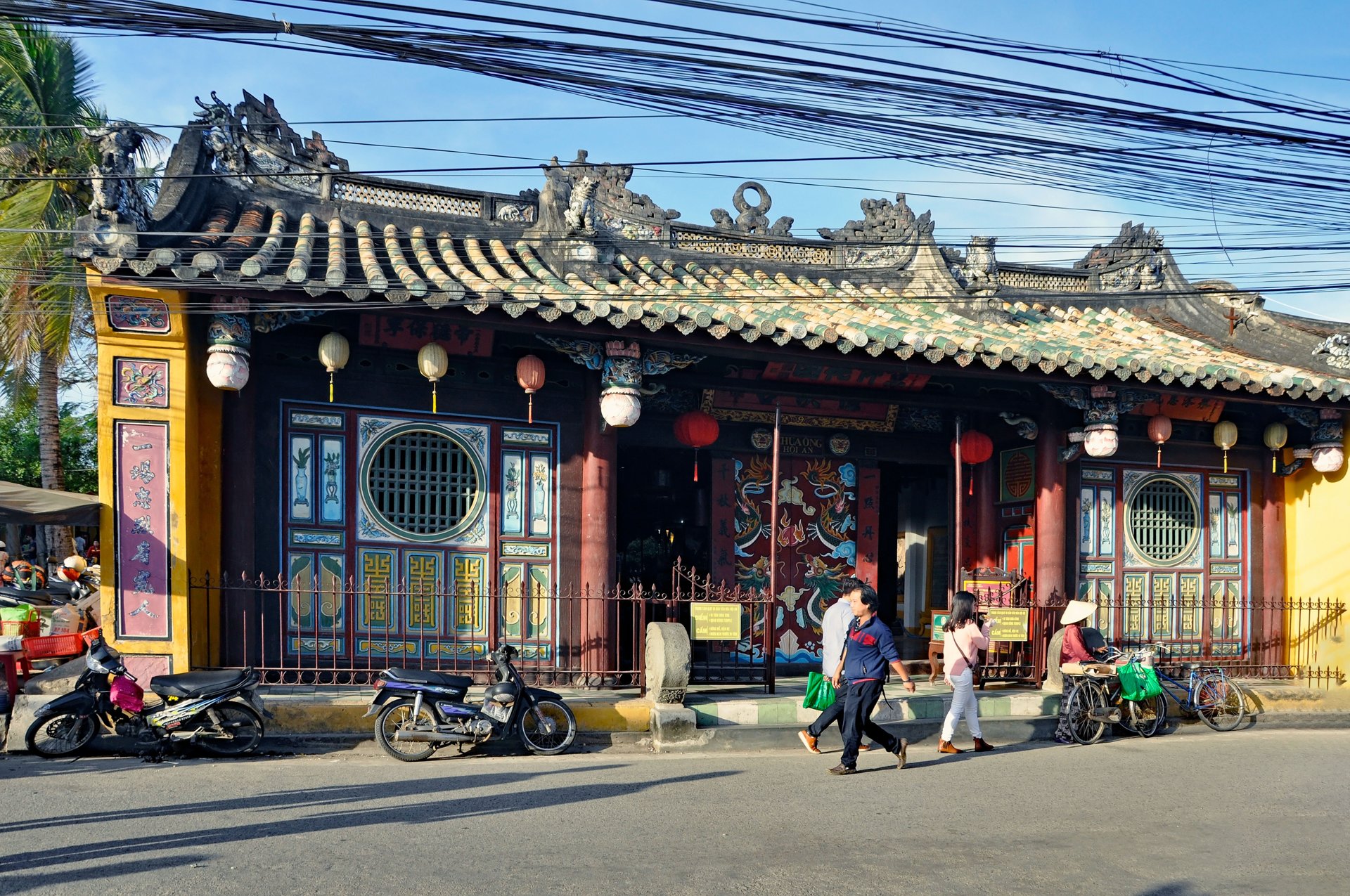
The pagoda is located on Tran Phu Street right in the heart of the ancient town, making it easy to include in a walking itinerary. From the Hoi An Market or the Japanese Covered Bridge area, visitors can wander along the historic streets, dropping by assembly halls and old houses before stopping at the pagoda.
Built in the 17th century, the structure dates back to the era when Hoi An flourished as a busy trading port. Dedicated to Guan Yu, a revered figure symbolizing loyalty, righteousness, and fairness, it held special significance for merchants who came here to pray for peace, uphold trust, and place their faith in honest business practices.
Architectural details to observe
Right from the facade, visitors will notice the curved roof system, tube tiles, and decorative motifs featuring dragons, mythical unicorns (nghe), and foliage. The interior space is arranged in multiple layers, creating a gradual transition from the bright street outside to the tranquil sanctuary within. The wooden trusses, pillars, horizontal lacquered boards, and ritual objects combine to form a deeply textured whole.
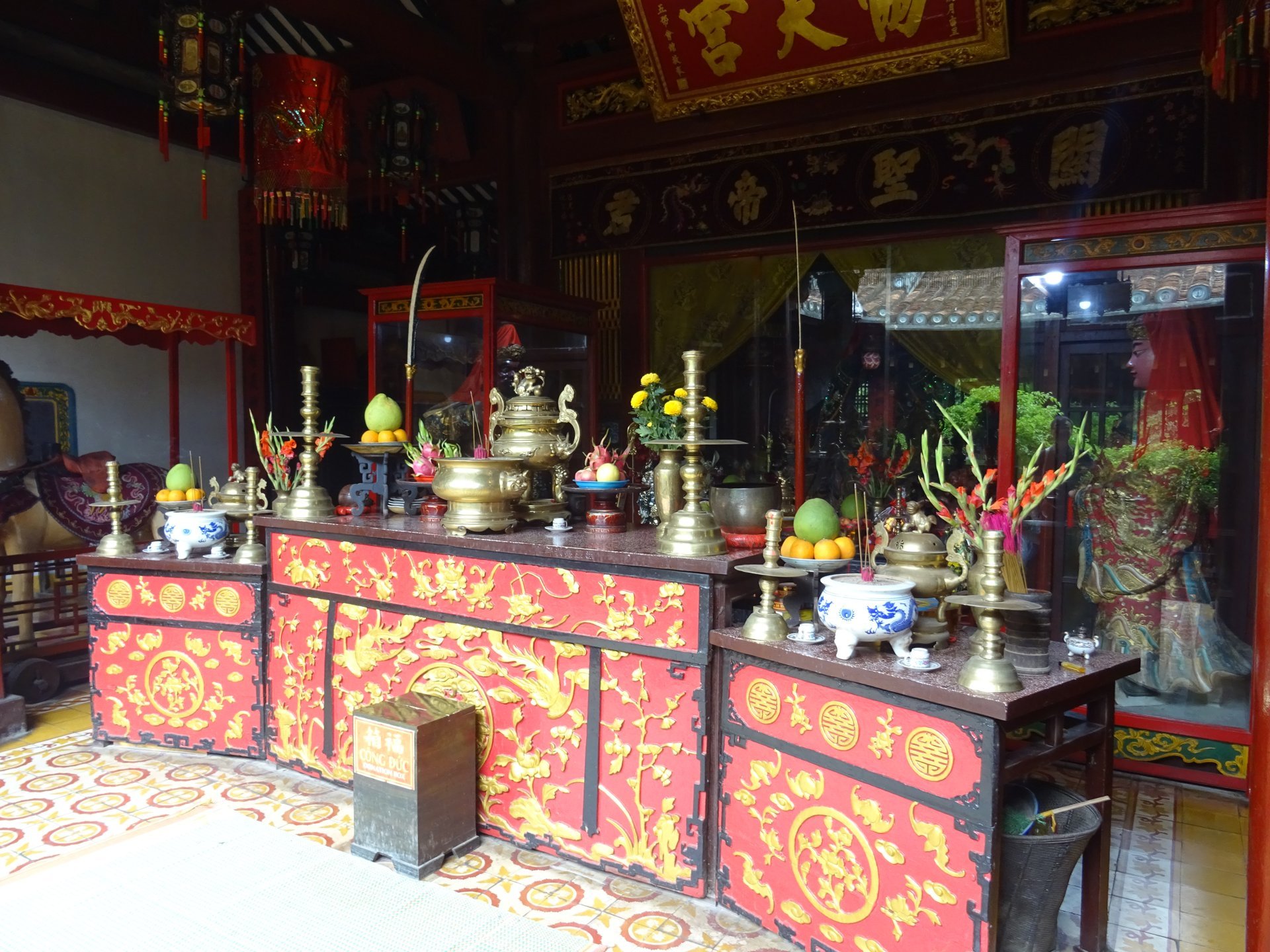
During your visit, take time to closely examine the “kou” (mouth-shaped) layout, the wooden frame system, and the ceramic decorations on the roof. Rather than simply snapping a photo of the facade, observe how light filters through the courtyard and how colors shift between each spatial layer. This is the best way to appreciate the building techniques of ancient artisans.
Etiquette for a respectful and meaningful visit
- Dress modestly, speak quietly, and avoid blocking ceremonial pathways.
- Do not touch statues, ritual objects, stone stelae, or ancient wooden structural components.
- If offering incense, follow on-site instructions and avoid burning excessive amounts.
- Refrain from using flash photography inside the sanctuary; ask for permission if you wish to photograph people performing rituals.
- Opening hours may change on holidays, so check the notice board at the gate.
Suggested walking itinerary around the pagoda
A sensible sightseeing loop can start at the Hoi An Market, visit Ong Pagoda, continue past the assembly halls along Tran Phu Street, and head toward the Japanese Covered Bridge. Early mornings suit those who prefer peace and quiet, while late afternoons offer lovely lighting, though visitor numbers are usually higher.
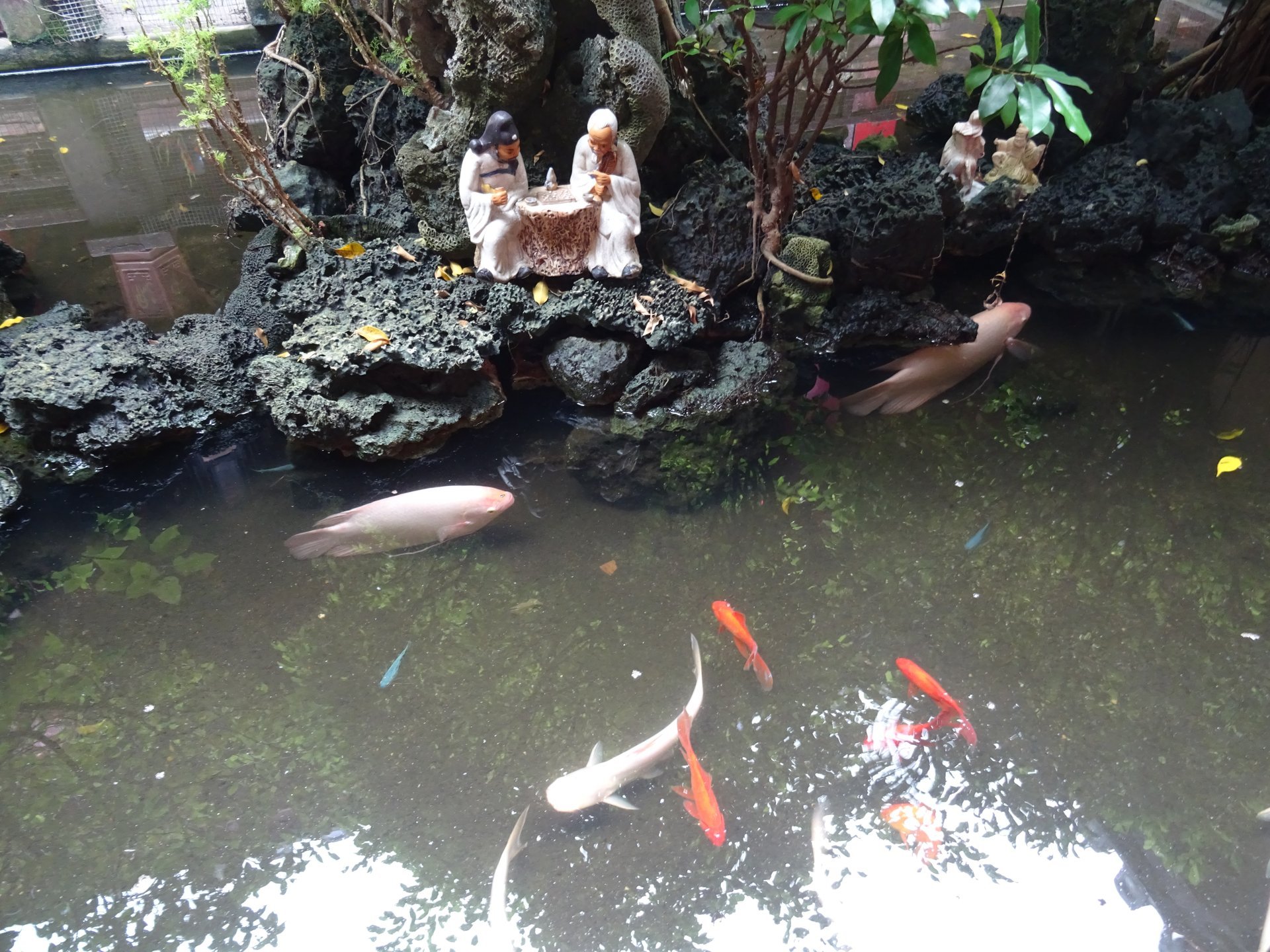
Ong Pagoda does not require a lengthy visit, but it deserves to be explored at a slow pace. About 30 to 45 minutes is plenty of time to learn about its history, admire the architecture, and sense the role of spirituality in the lives of early port traders. Maintain respect for this spiritual space and treat it as a place of cultural learning rather than just a photo backdrop.