Year-End Travel: 12 Destinations and How to Choose by Weather
Year-end travel features two very distinct weather patterns: northern regions enter a cold and dry season, while parts of central regions are still affected by rain; the southern region and many southern islands usually begin their sunny season. Therefore, the best destination is not the trendiest one, but the one that suits your physical condition, budget, and flexibility.
Choosing Your Year-End Trip by Need
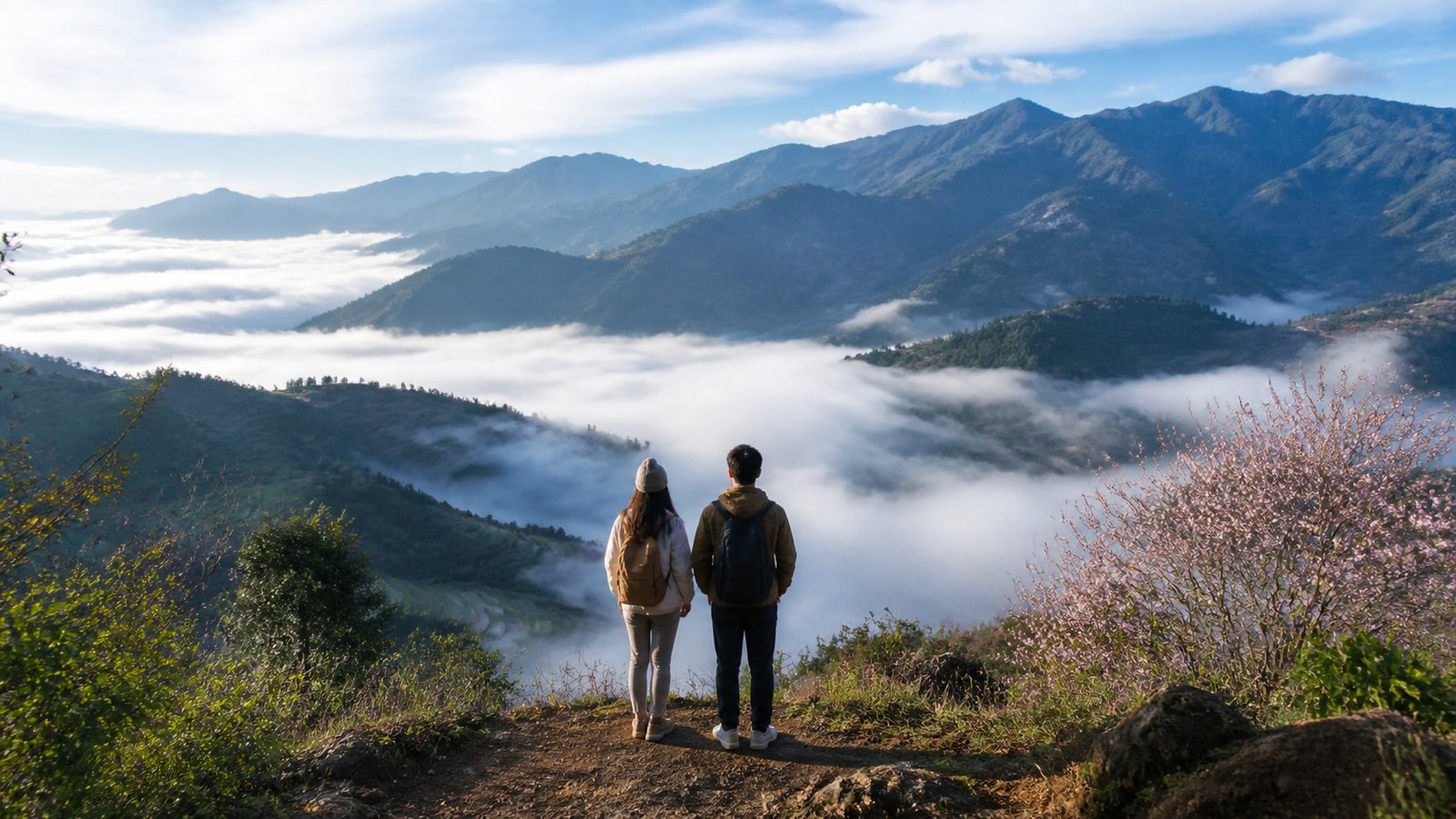
- Want to chase clouds and feel the cold: Sa Pa, Ha Giang, Moc Chau.
- Prefer cities and cuisine: Hanoi, Hue, Da Nang, Hoi An.
- Need warm beaches and slow relaxation: Phu Quoc, Con Dao, or Nha Trang when forecasts are favorable.
- Want flowers, coffee, and cool climate: Da Lat.
- Want a riverine experience: Can Tho and surrounding areas.
12 Worthy Year-End Travel Destinations
1. Sa Pa: Cold, Clouds, and Mountain Rhythms
At the end of the year, Sa Pa can experience deep cold, heavy fog, and occasional frost, though snow cannot be guaranteed. Prepare thermal wear, windproof jackets, high-traction shoes, and check visibility before purchasing cable car tickets. If you only have two days, choose one village and one high vantage point instead of rushing through a long checklist.
2. Moc Chau: Flower Season on the Plateau
Moc Chau is appealing due to its hillsides, orchards, and flower seasons that change every year. Before traveling, check the blooming status at your exact intended spots; online photos may have been taken a week prior. Mornings are usually cold, and roads into the villages have mist, so avoid driving too fast.
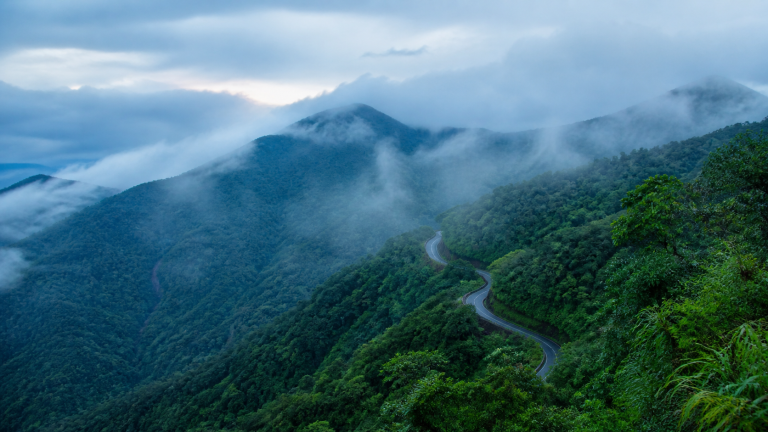
3. Ha Giang: A Route Requiring Ample Time
Ha Giang’s beauty lies in the journeys between destinations, not just Dong Van or Ma Pi Leng. At year’s end, the weather is cold, days are short, and fog is present, so a three-day, two-night itinerary is only suitable for experienced drivers. Avoid driving mountain passes after dark or stopping vehicles in the middle of curves to take photos.
4. Hanoi: Walking Street and Hot Dishes Season
Hanoi is a gentler choice for families. One day can be spent visiting Hoan Kiem Lake, the Old Quarter, museums, and enjoying pho, noodle soups, and coffee; reserve the other day for an out-of-town spot. There is no need to pack your schedule tightly because the year-end experience lies in walking and feeling the crisp air.
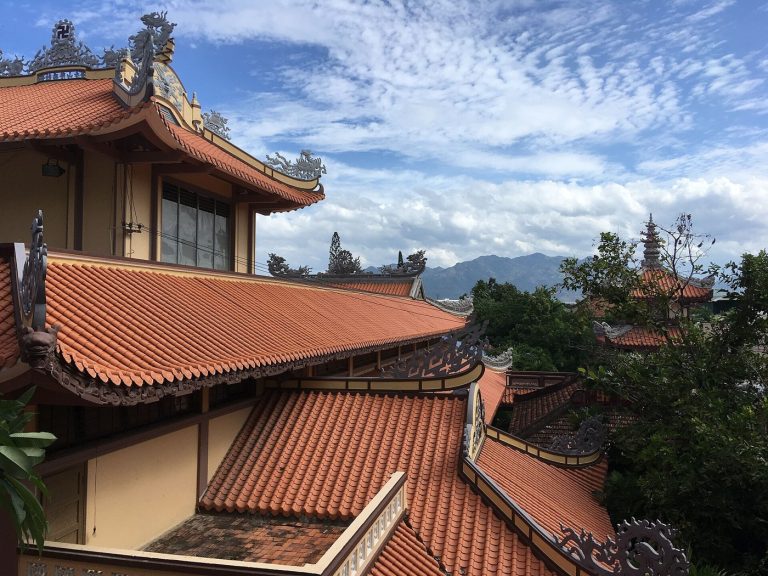
5. Hue: Somber, Rich in Indoor Experiences
Hue at the end of the year can be cold and rainy. Itineraries should prioritize the Imperial Citadel, royal tombs, museums, and eateries, while leaving one session as a backup. When there are heavy rain or flooding warnings, do not attempt to travel river roads and low-lying areas simply to stick to a booked schedule.
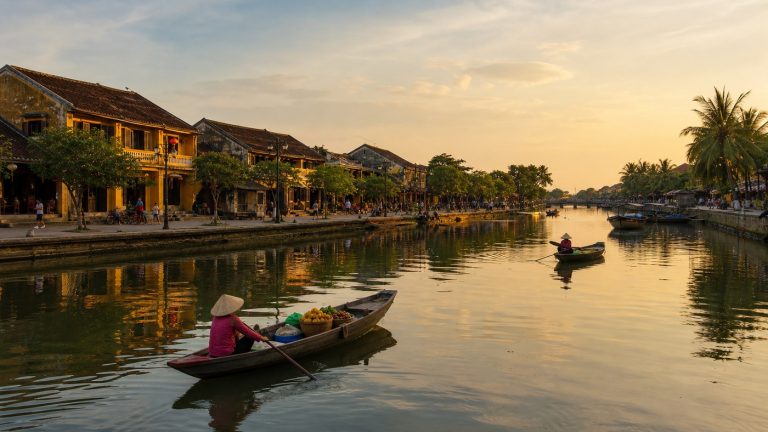
6. Hoi An: Beautiful When Accepting the Rain
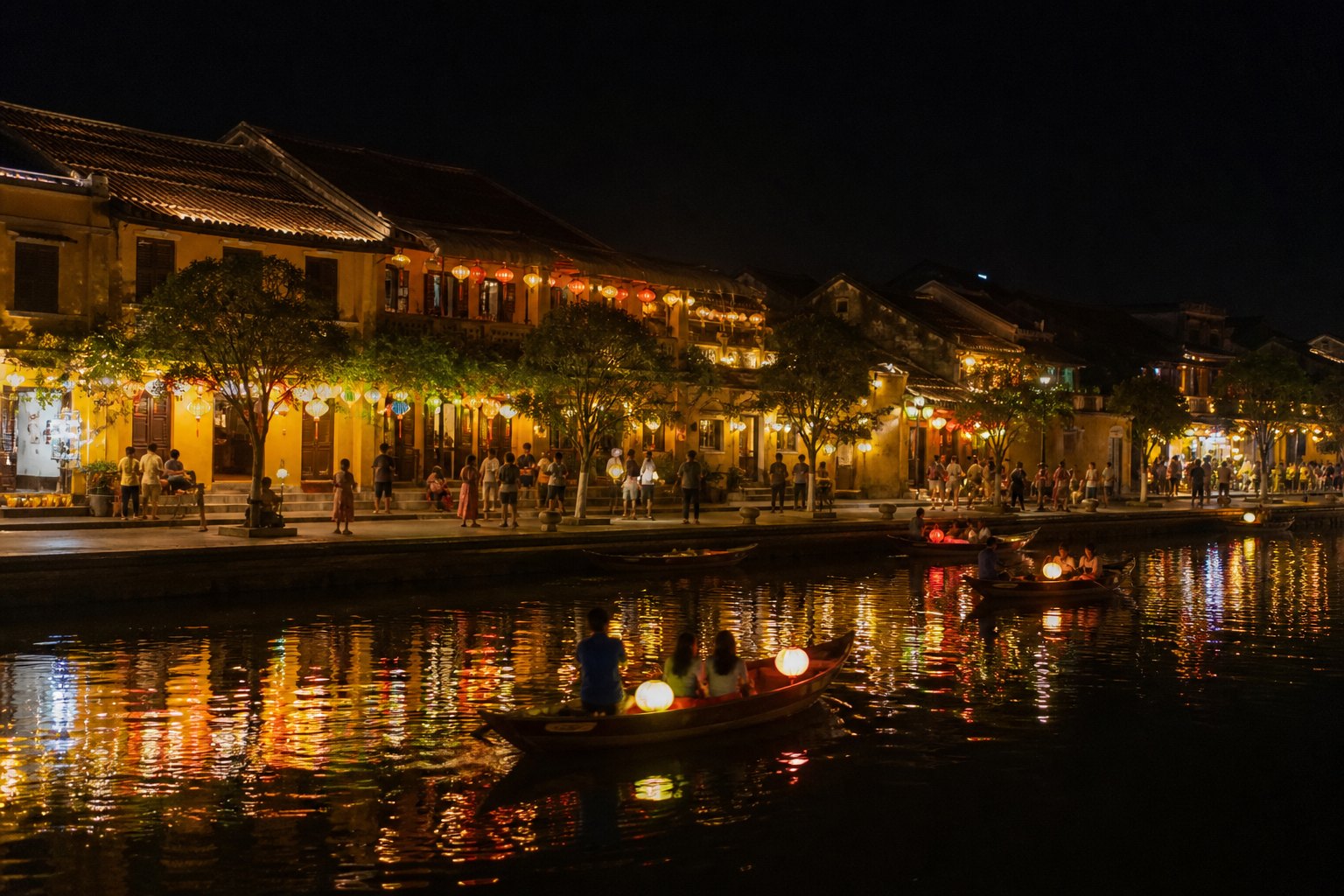
The illuminated ancient town still holds charm, but the year-end is not always dry. Light raincoats, quick-drying shoes, and convenient accommodation are more useful than a long checklist. If river levels rise or rain persists, switch to cooking classes, cafes, or craft villages in safe areas.
7. Da Nang: A Flexible Urban Trip
Da Nang benefits from good infrastructure and plenty of indoor options, but the sea at year’s end can be rough. Do not enter the water when warning flags are up, even if it stops raining. Use Da Nang as a base to combine with Hoi An or Son Tra Peninsula depending on daily forecasts.
8. Nha Trang: Check the Sea Before Heading to Islands
Nha Trang’s sea is not calm every day at the end of the year. Only book island tours when operators confirm safe conditions, and have city-based backup plans such as Po Nagar Tower, museums, or local cuisine. A light jacket is useful early in the morning and on boat trips.
9. Da Lat: Cold Season and Coffee Spaces
At year’s end, Da Lat is usually cool and crisp, ideal for walking, flower viewing, and café hopping. Room rates rise quickly during holidays, so select your accommodation area first and then build your itinerary around it. Do not stop arbitrarily on mountain passes or crowd into commercial farming gardens without permission.
10. Con Dao: A Slow Beach Retreat
Con Dao suits travelers seeking fewer attractions and plenty of quiet moments. Monsoon winds can affect flights, boats, and marine activities, so flexible tickets are safer. Respect memorial spaces, avoid making loud noises at night, and do not remove coral or seashells from nature.
11. Phu Quoc: Sunny Season But Sea Checks Still Needed
Year-end is usually an easy time to schedule Phu Quoc. Instead of touring the entire island, pick a northern, central, or southern cluster for each day. Beaches are lovely in the early morning; reserve afternoons for markets, fishing villages, or sunsets. Do not assume all marine activities are suitable for children and seniors.

12. Can Tho: Early Markets and River Rhythms
Can Tho fits a two-day, one-night trip. Floating markets start early, so avoid scheduling the previous night too late. Aside from boat trips, spend time in orchards, tasting local dishes, and visiting riverfront neighborhoods. Choose boats equipped with life jackets and avoid crowding to one side for photographs.
Sample 5-Day Itinerary for Travelers Undecided on Regions
Do not combine the North, Center, and South into a short trip. Choose one cluster:
- Northern Region: Hanoi for 2 days, Sa Pa for 3 days; or Hanoi for 1 day, Ha Giang for 4 days.
- Central Region: Hue for 2 days, Da Nang for 2 days, Hoi An for 1 day with backup plans for rain.
- Southern Region: Ho Chi Minh City for 1 day, Can Tho for 2 days, Phu Quoc for 2 days; flying is recommended to reduce overland travel time.
Year-End Service Booking Checklist
- Prioritize tickets and rooms with clear date-change policies.
- Check weather conditions close to departure dates, especially for mountain passes and coastal areas.
- Anticipate higher costs than normal days but never transfer funds to unfamiliar accounts.
- Divide luggage into warm layers, rain protection, and essential personal items.
- Avoid packing your itinerary too tightly just to make it “worth the trip.”
You can also check out the seasonal Vietnam travel guide and southern December recommendations to find an option that closely fits your needs.