Where to Visit in Northern Vietnam in October: 12 Autumn Spots
October is when Northern Vietnam fully transitions into autumn: the plains enjoy mild sunshine, the mountains turn chilly at night, some valleys enter the end of the rice season, and the stone plateau sees the first buckwheat flowers. This month is ideal for both city trips and mountain journeys, provided you monitor the weather and avoid overly tight schedules.
If you are wondering where to go in Northern Vietnam in October, the 12 suggestions below will help you choose based on landscapes, duration, and travel intensity. Destinations affected by administrative boundary changes retain both former and current names to make searching easier.
What to Note About Northern Weather in October
In Hanoi and the lowlands, early mornings and evenings are cool, while days can still be sunny. High-altitude areas experience wider temperature drops, quick-forming fog, and occasional rain. The rice season, flower blooms, and grass seasons do not fall on fixed dates every year; conditions can shift by a couple of weeks due to weather and planting schedules.
Before traveling, check local forecasts for each spot, mountain pass conditions, and seasonal updates from residents. Online photos from previous years should only serve as a general reference, not a guarantee of exact conditions on your arrival day.
1. Hanoi: Autumn Ideal for Walking
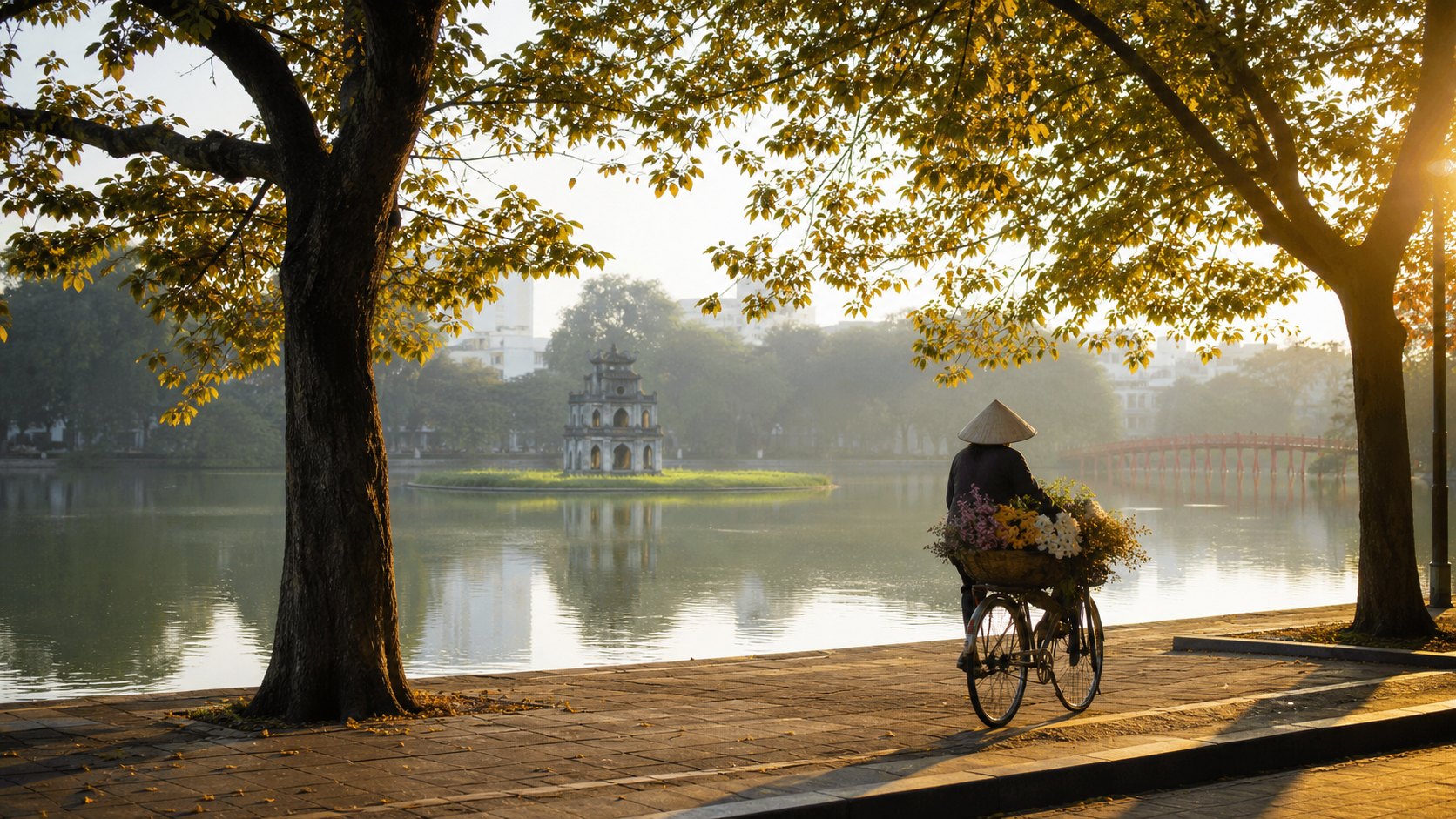
October in Hanoi suits a slow-paced itinerary. Mornings are great for walking around Hoan Kiem Lake, the Old Quarter, or tree-lined streets; midday invites warm dishes; afternoons allow for museum visits, architectural sights, or coffee while watching street life.
The charm of autumn in Hanoi lies not in a single address, but in the scents, light, and walkable pathways. If you want to take photos, go early to avoid crowds and avoid standing in the middle of the street.
2. Sa Pa, Lao Cai: Cloud Hunting and Mountain Air
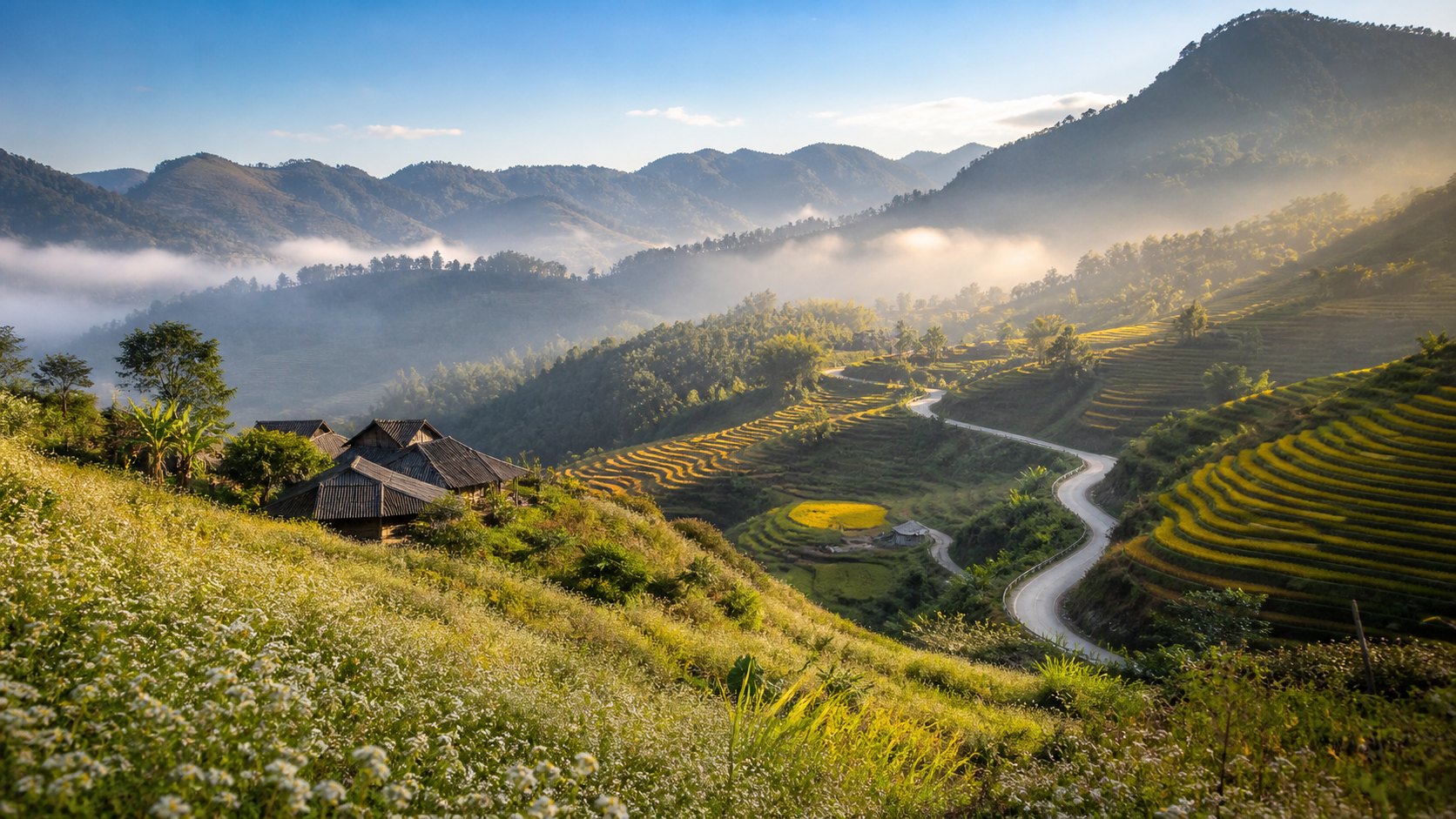
October in Sa Pa can bring mist, clouds, and beautiful clear days. The rice harvest timing varies by village, so check field conditions before choosing your route. A two- to three-day itinerary can combine central Sa Pa with Ta Van, Ta Phin, or a trekking trail suited to your fitness level.
Do not pack only heavy jackets; layered clothing offers more flexibility as temperatures shift throughout the day. Bring sturdy shoes with good grip in case village paths are wet or muddy.
3. Lang Son: Limestone Mountains, Caves, and Local Flavors
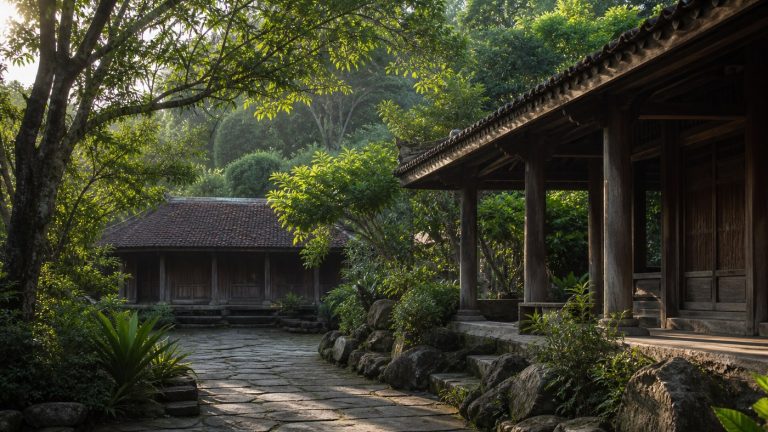
Lang Son is well-suited for a two-day trip from Hanoi. You can visit Tam Thanh Cave, the city area, historical sites, and dedicate time to local cuisine. October is milder than summer, making outdoor walks pleasant, though early mornings in the highlands can be chilly.
If purchasing specialties at the market, prioritize stalls with clear pricing and check the quality carefully. Trips to locations far from the center require planning enough time to return before dark.
4. Ninh Binh: River and Mountain Scenery in Autumn
In October, Ninh Binh no longer sees peak golden rice fields in Tam Coc, but offers cool weather and more subdued limestone mountain scenery. Trang An, Mua Cave, Hoa Lu, or village cycling routes can be combined into a two-day trip.
Take a boat ride in the morning, rest midday, and choose a high viewpoint for late afternoon. Trying to fit Trang An, Tam Coc, and too many pagodas into a single day often leads to fatigue and repetitive experiences.
5. Binh Lieu, Quang Ninh: Reed Grass Season Along the Border
Binh Lieu attracts travelers in October for its hillside landscapes and reed grass season. The exact timing of peak grass varies by year; some areas remain green while others turn white or yellow. Hiking up to the border markers and mountain ridges requires moderate fitness, good shoes, and dry weather.
Avoid riding motorbikes over mountain passes at night if you are unfamiliar with the route. Always obey road signs, border area regulations, and do not enter restricted paths.
6. Ta Xua, Son La: Sea of Clouds Is Not Always Guaranteed
Ta Xua is frequently mentioned for its sea of clouds, but this phenomenon depends on humidity, wind, and temperature. October has beautiful days but offers no guarantees. Treat the clouds as a bonus, while making the mountain views, highland villages, and fresh air your main focus.
Choosing accommodation near sunrise viewpoints cuts down driving distance in the dark. If the fog is too thick, wait for better visibility rather than forcing your way through.
7. Dong Van, Former Ha Giang Area: Flower Season on the Stone Plateau
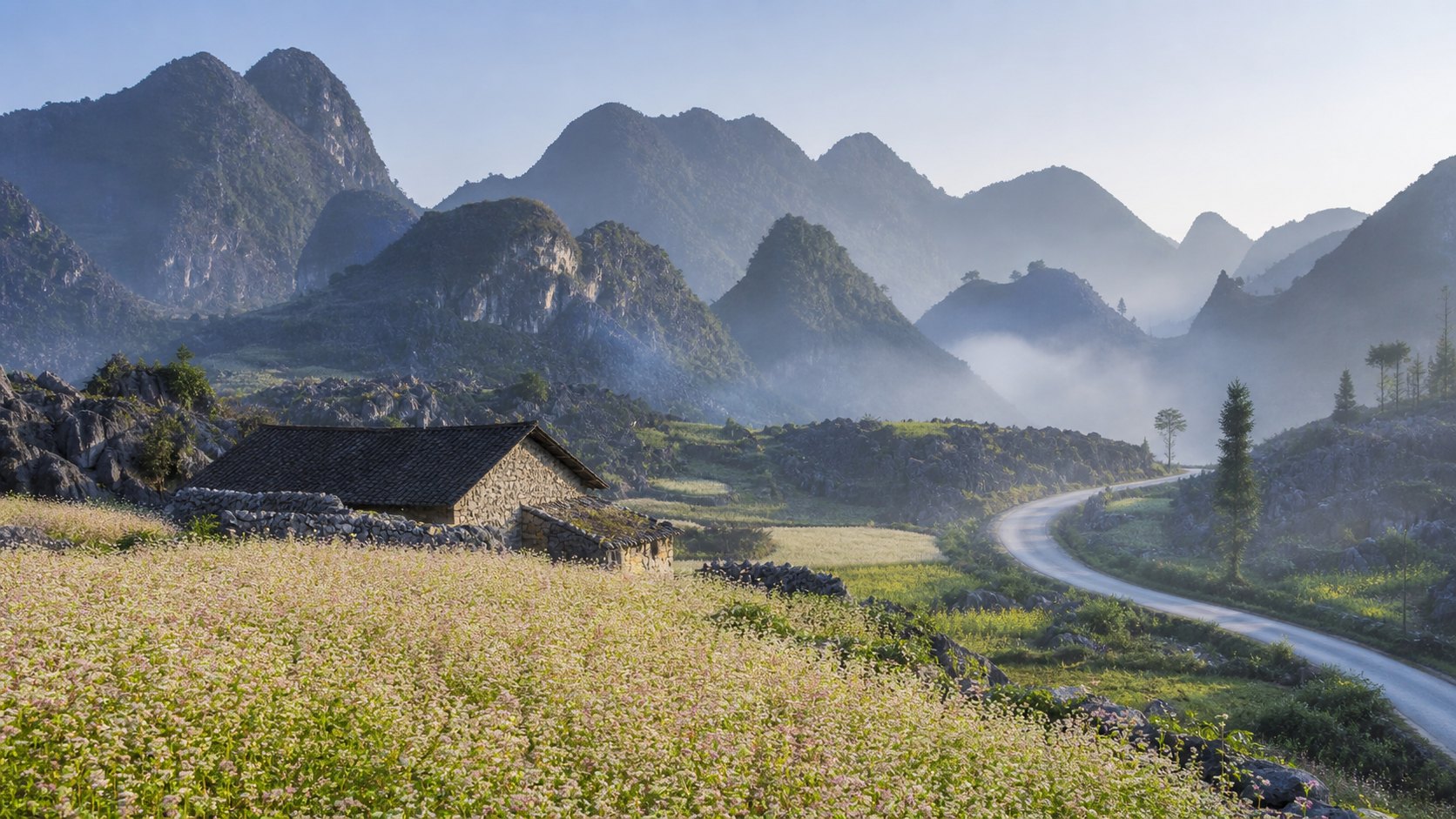
Dong Van and the highland roads previously belonged to Ha Giang province and now fall under Tuyen Quang province following administrative reorganization. October usually marks the start of buckwheat flower fields coloring the mountain slopes, though blooming stages vary by location.
Plan at least three days from Hanoi, with four days being ideal. Do not stop vehicles in the middle of curves, avoid stepping on flower plots, and always ask for prices beforehand at paid photography spots. Those unaccustomed to long mountain passes should hire a local driver.
8. Ban Gioc Waterfall, Cao Bằng: A Route for Nature Lovers
In October, Ban Gioc Waterfall generally features lush scenery and more pleasant weather than mid-summer. You can combine it with Nguom Ngao Cave, the stone village, or spots along the Trung Khanh route. The journey from Hanoi is long, making three days the minimum reasonable duration.
Border areas have specific regulations; bring your identification documents, follow correct pathways, and heed instructions at attractions. Non-slip sandals or quick-drying shoes are useful in damp places.
9. Ba Vi, Hanoi: A Short Weekend Trip
Ba Vi is a convenient option for those with only a single day. October does not always coincide with the most vibrant wild sunflower blooms, but the forests, mountain roads, and cool air are still worth a weekend getaway. Check closing times and fog conditions, and bring a light jacket.
If traveling by motorbike, check your brakes and tires before ascending slopes. Avoid speeding around blind curves, especially when the road surface is damp.
10. Mu Cang Chai, Former Yen Bai Area: Finding the End of the Golden Season
Mu Cang Chai formerly belonged to Yen Bai province and is now part of Lao Cai province. Early October may still reveal golden rice terraces, but many areas might have already been harvested. Ask your homestay or locals before departure to pick the right village.
Whether the rice is ripe or harvested, Khau Phạ pass, the valleys, and the villages remain scenic. Drone operators must comply with regulations; do not fly near residential areas or restricted zones.
11. Moc Chau, Son La: Tea Hills and Chilly Mornings
October in Moc Chau brings cool weather ideal for visiting tea plantations, pine forests, and local villages. Mustard flower seasons may begin in some areas but are not uniform. A two-day trip from Hanoi is enough if you choose closely grouped destinations.
Prioritize clearly managed public spots, respect the gardens, and do not snap branches off flowers. Temperatures drop quickly at night, so pack a light warm jacket.
12. Mai Chau, Former Hoa Binh Area: Relaxing in the Valley
Mai Chau formerly belonged to Hoa Binh province and now sits in Phu Tho province after restructuring. October is great for cycling, walking through villages, and staying overnight to experience a slower pace of life. Valley scenery shifts according to harvest schedules, but the region remains pleasant during autumn.
When seeking cultural experiences, prioritize community-led initiatives with clear guides that respect residents’ privacy. Do not take close-up photos inside homes without permission.
Choosing Destinations by Trip Style
- One-day trips: Hanoi, Ba Vi, or Ninh Binh if departing early.
- Two days, one night: Moc Chau, Mai Chau, Lang Son, or Ninh Binh.
- Three days, two nights: Sa Pa, Binh Lieu, Ta Xua, or Cao Bằng.
- Four days or more: The Dong Van stone plateau route or a multi-stop Northeastern loop.
Three Easy October Itineraries
Hanoi – Ninh Binh (3 Days)
Day one explores Hanoi; day two heads to Ninh Binh, choosing Trang An or Tam Coc along with an afternoon viewpoint; day three visits Hoa Lu or features a cycling ride before returning. This relaxed route fits first-time visitors.
Hanoi – Moc Chau (2 Days)
Day one starts early to explore a cluster of tea hills and villages; day two visits a pine forest or waterfall depending on weather before returning before dark. Avoid adding Mai Chau if you only have two days.
Stone Plateau Loop (4 Days)
Dedicate day one to traveling toward the former Ha Giang area; spend the next two days passing through Quan Ba, Yen Minh, Dong Van, and Meo Vac at a moderate pace; reserve the final day for the return journey. Allow buffer time for fog and mountain pass rest stops.
Preparing for Northern Vietnam in October
- Light jackets for the lowlands and warmer insulating layers for higher elevations.
- Sturdy, grippy shoes, a thin raincoat, and waterproof pouches.
- Personal medication, power banks, and light snacks for remote routes.
- Identification documents for border regions.
- Backup plans in case of rain, heavy fog, or impassable mountain passes.
Northern Vietnam in October shines through its seasonal transition: cities soften, mountain forests gather mist, and each region wears a different shade of autumn. Choosing a manageable route, checking landscape updates close to departure dates, and allowing enough time for each place will make your trip far more memorable than rushing to check off too many sights.