Cau Dat Tea Hill: Viewing the Rows and Planning Your Trip
Cau Dat Tea Hill is an option for those looking to leave Da Lat’s streets behind and observe agricultural scenery. The appeal lies in the continuous rows of tea stretching across the hillside: from a distance, they appear as green ribbons curving with the terrain; up close, individual leaves and patches of soil between the plant lines become visible. A trip here does not necessarily have to involve cafes or staged photo spots.
Viewing the tea hill as a cultivated landscape
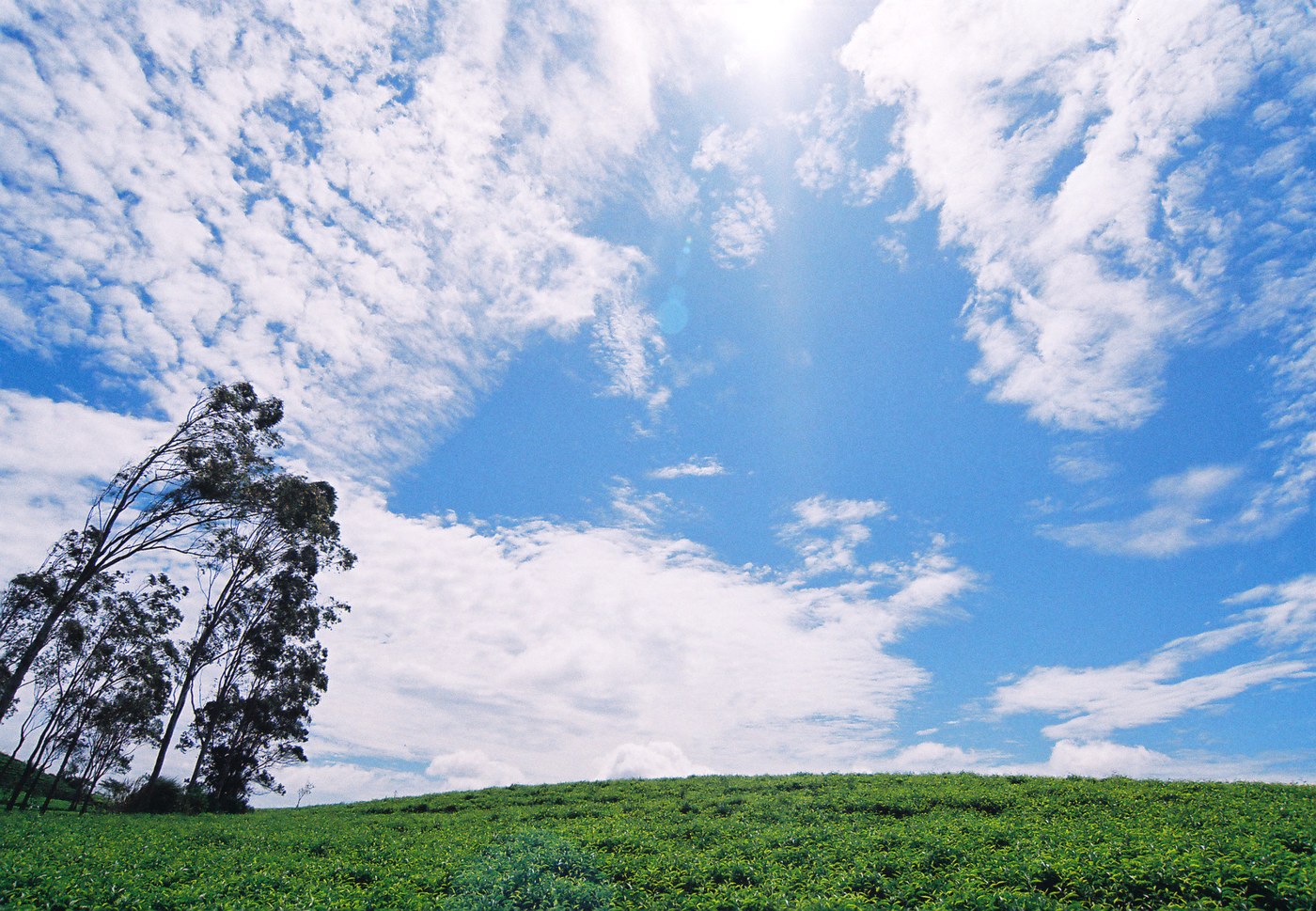
Cau Dat is located in the suburbs of Da Lat, Lam Dong. Instead of searching only for a famous framing, you can observe how the tea rows curve, how large trees divide the sky, and how the green shades shift with the light. These details give the tea hill its distinct character, even without cloud cover.
It is necessary to distinguish between the tea hill landscape and individual commercial establishments in the area. A location name on a map does not mean every dirt path, plantation, or surrounding structure is freely open. Before your trip, identify your specific destination, ask about permitted entryways, and check current access information. This article does not assume the entire area is free or open at all times.
Choose your timing by the weather, do not bet on a cloud sea
If the goal is viewing tea rows and photographing the scenery, clear visibility is more valuable than trying to arrive extremely early. Fog can add depth to photos but also obscure distant hills. When planning, check the forecast close to your departure date, allow extra travel time, and accept rescheduling if it rains or visibility is poor.
Those unfamiliar with the roads should prioritize traveling during daylight. Prepare a light jacket, compact rain gear, and shoes with good grip; do not stand in the middle of the road for wide angles. If traveling with young children or those who dislike walking, choose easily accessible viewpoints after confirming entry points, rather than forcing a steep dirt path just because a photo looks nice.
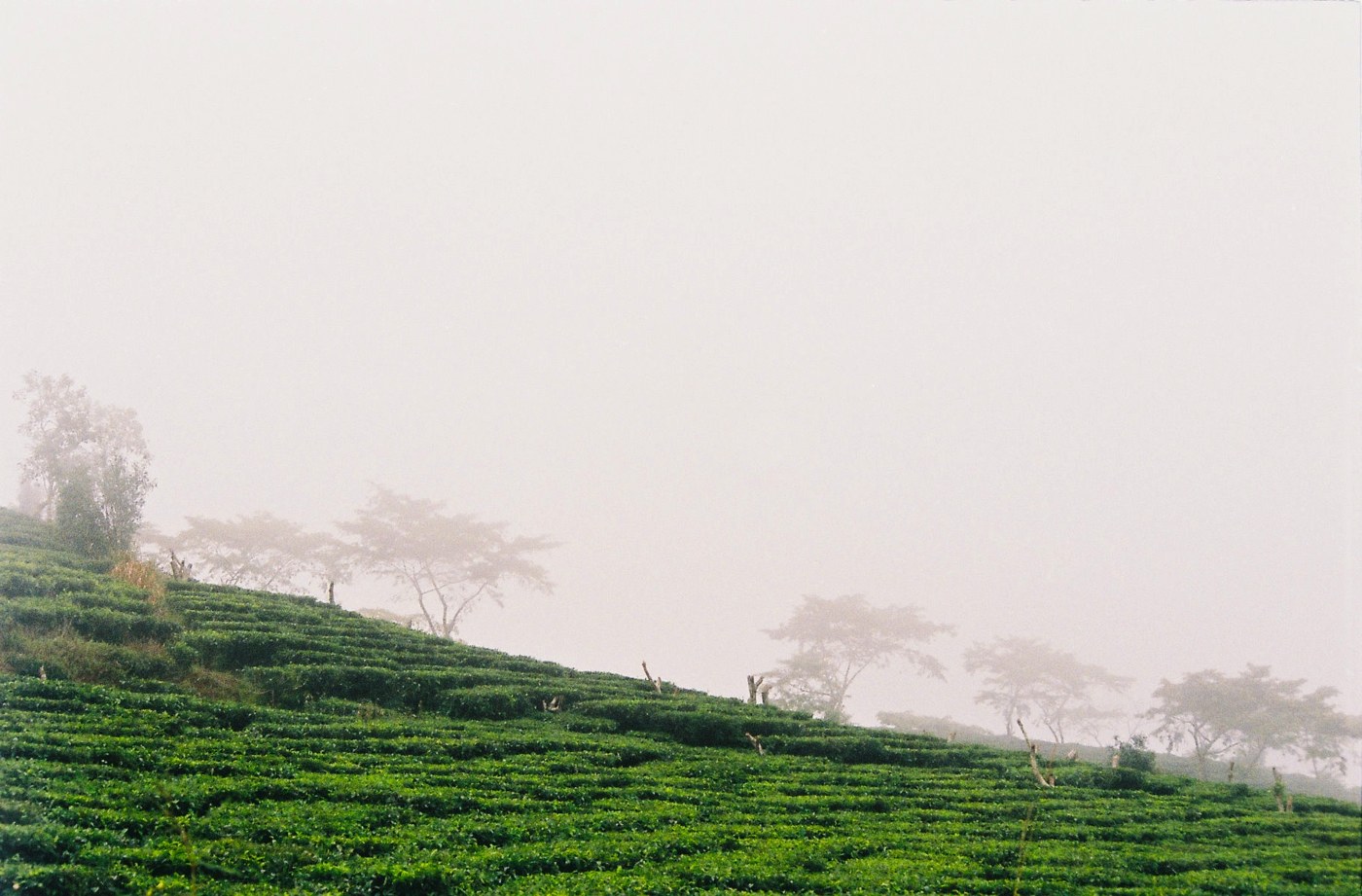
Three ways to find compositions without stepping into the tea rows
- Wide frame: find a permitted standing position to include both the hillside and the sky in the photo. Keep the horizon straight, avoiding an overly bright sky that washes out leaf details.
- Tea row rhythm: from the edge of the path, angle your camera diagonally along the rows so the curves guide the eye into the distance. There is no need to climb onto the ridge.
- Trees and open space: use a tree canopy or a stretch of dirt road as a compositional anchor. Taking a few different angles right from a safe standing spot is often more useful than venturing deep into areas with uncertain access rights.
Do not break branches, pick leaves as props, or trample the tea rows. If you want to photograph people working, ask first and avoid blocking transport routes. Tea-growing regions are working grounds, not merely backdrops for visitors.
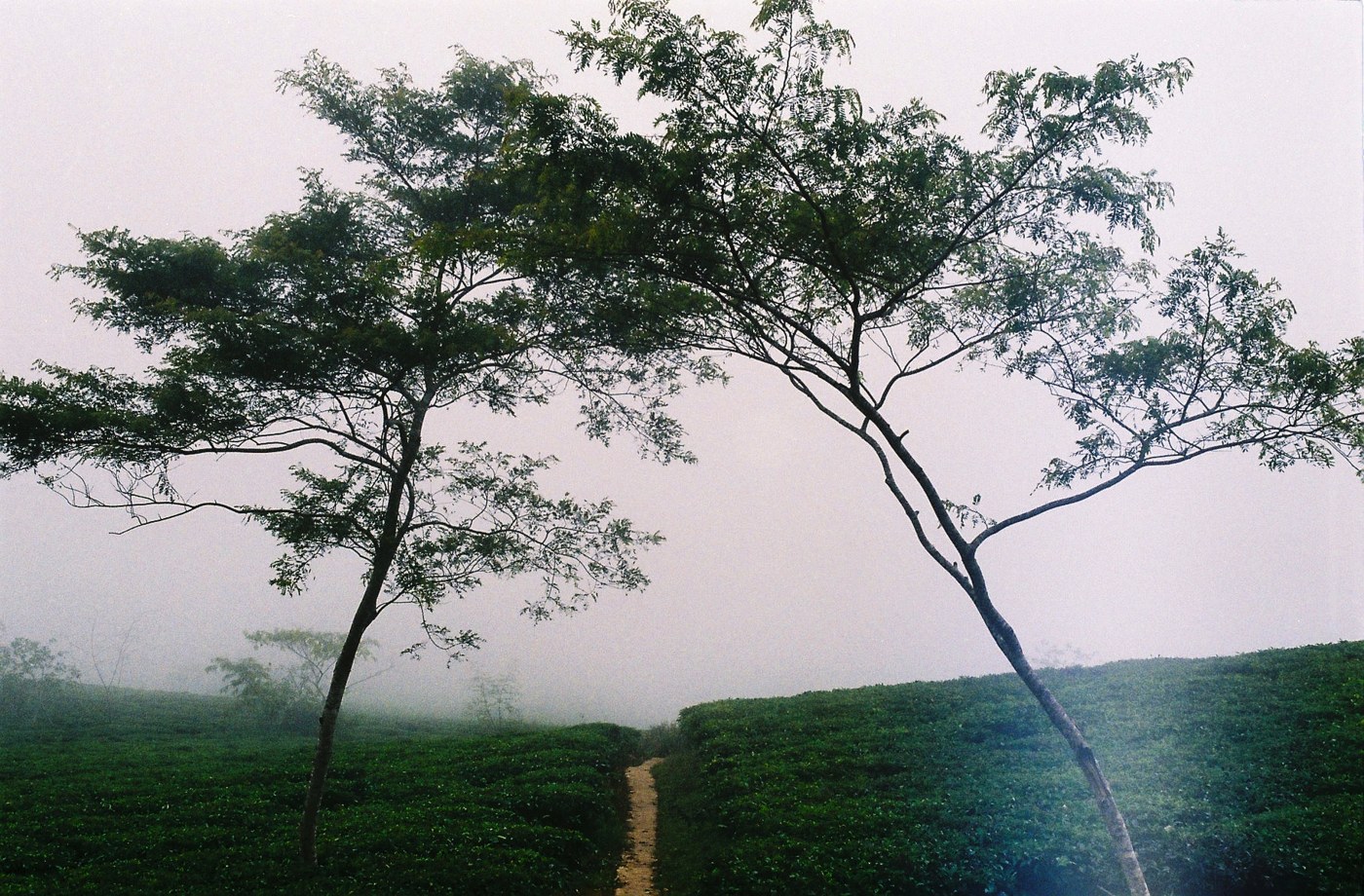
Organizing a manageable sightseeing outing
You can dedicate your trip to one main viewpoint, a short walk on a permitted path, and some rest time before returning. Lock down your transport plans for both ways from the start; do not assume you can always find a ride right at your stop. Bringing water, packing out your trash, and heading back before the roads become hard to see will make the schedule more comfortable.
The images in the article are licensed archive photos; the two fog and dirt path photos were taken in November 2011. They illustrate the tea row landscape and do not confirm current road conditions, structures, or garden access rights.