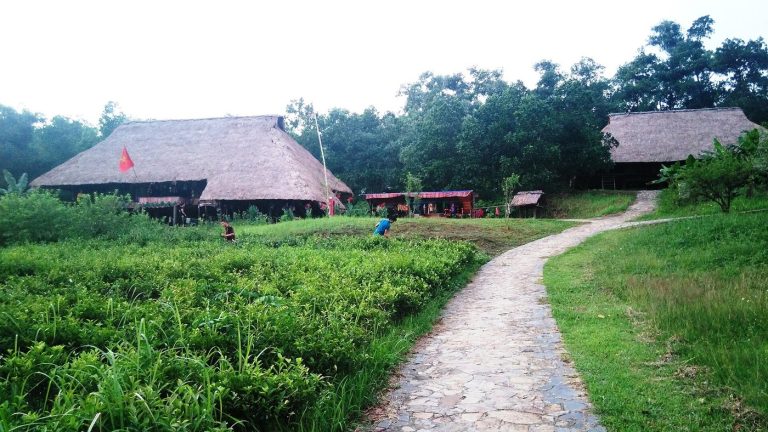
Vietnam Military History Museum: New Facility Visit Guide
The new facility of the Vietnam Military History Museum features a spacious layout, including indoor exhibition halls and outdoor areas. To avoid rushing through in a blur, select a few topics of interest in advance, allocate time for breaks, and verify the correct location before setting out.
Do Not Go to the Old Address
The new facility opened to visitors on November 1, 2024, at Km 6+500 Thang Long Avenue, Hanoi. This is a different location from the former site at 28A Dien Bien Phu. When booking a ride or searching on a map, check both the address and photos of the building rather than just picking the first result with the museum’s name.
Free admission notices around the late 2024 opening do not mean the museum is permanently free. Before your visit, check current opening hours, fees, and accessible sections via official announcements. This article does not use past schedules, pricing, or reviews of previous operating floors to state current conditions.
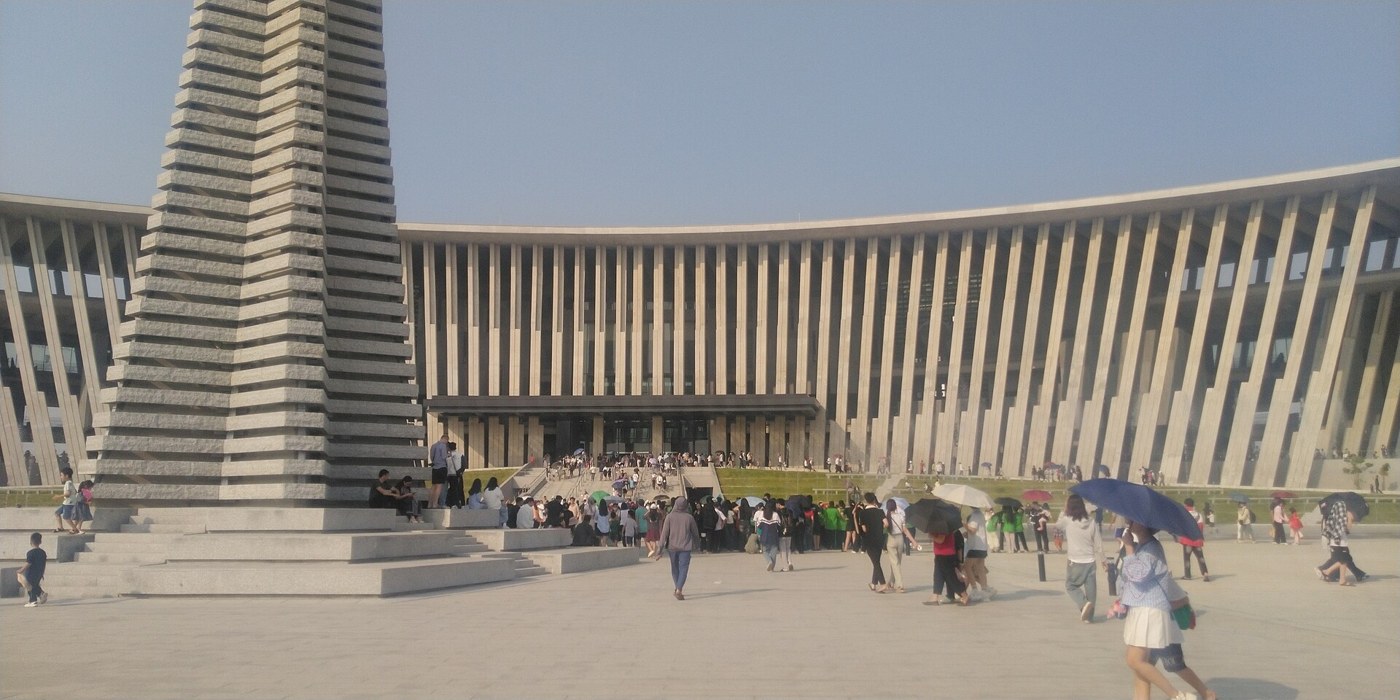
Divide Your Visit Into Manageable Portions
It is recommended to set aside about half a day if you want to see both indoor and outdoor sections, but the actual duration depends on your companions and reading pace. Do not aim to see every single artifact on your first try. Upon arrival, look for the floor plan and follow the currently posted visitor route guidelines.
If the weather is pleasant, you can explore part of the outdoor courtyard before heading indoors. In harsh sunlight or rain, prioritize the indoor spaces and consider skipping some outdoor areas. A sprawling architectural layout does not mean every pathway is covered.
Observe the Lobby and Architecture
Tall columns and repeating vertical rhythms give the structure its striking appearance. A brief pause in the lobby helps you appreciate the spatial proportions before focusing on historical documents. The photo below highlights an architectural angle, not a pathway map or guide to restricted areas.
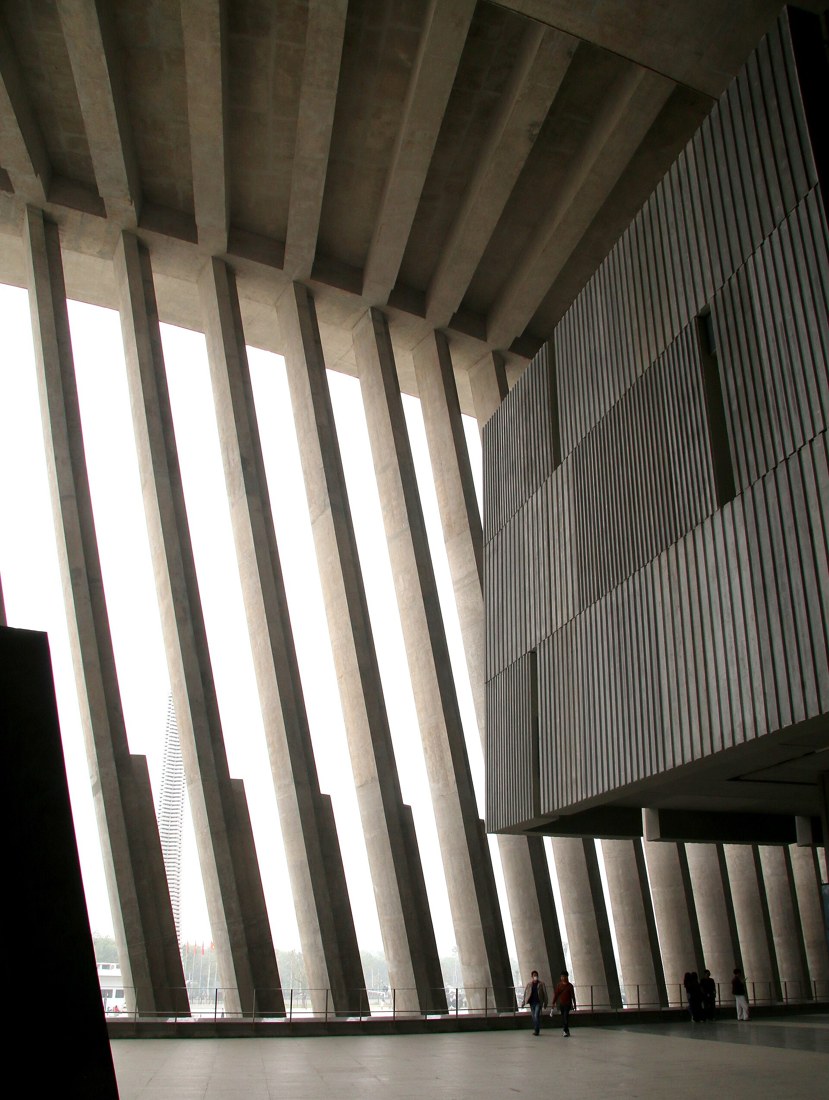
When taking photos, choose a spot that does not block the flow of people and look behind you before stepping back. Do not cross barrier ropes or climb onto display areas for a wider angle. Groups should set a clear meeting point, as simply saying “meet at the entrance” can cause confusion across such a large campus.
View Artifacts Through Historical Questions
For each artifact you wish to study, start with its label: name, date, usage context, and associated story. Only then should you look at related documentation or commentary. This approach helps contextualize the item rather than just remembering its size or shape.
Clearly distinguish between original artifacts, replicas, models, and reenactment images whenever the display information specifies them. For stories regarding campaigns or historical figures, note down a few grounded dates and details; avoid speculating on a vehicle’s history based solely on visible paint or serial numbers.
Screens or interactive media, if operational, serve as supplementary reading tools. You do not need to spend your entire visit watching every video. Choose content relevant to your specific questions and yield the equipment to other visitors if someone is waiting.
The Victory Tower and Outdoor Area
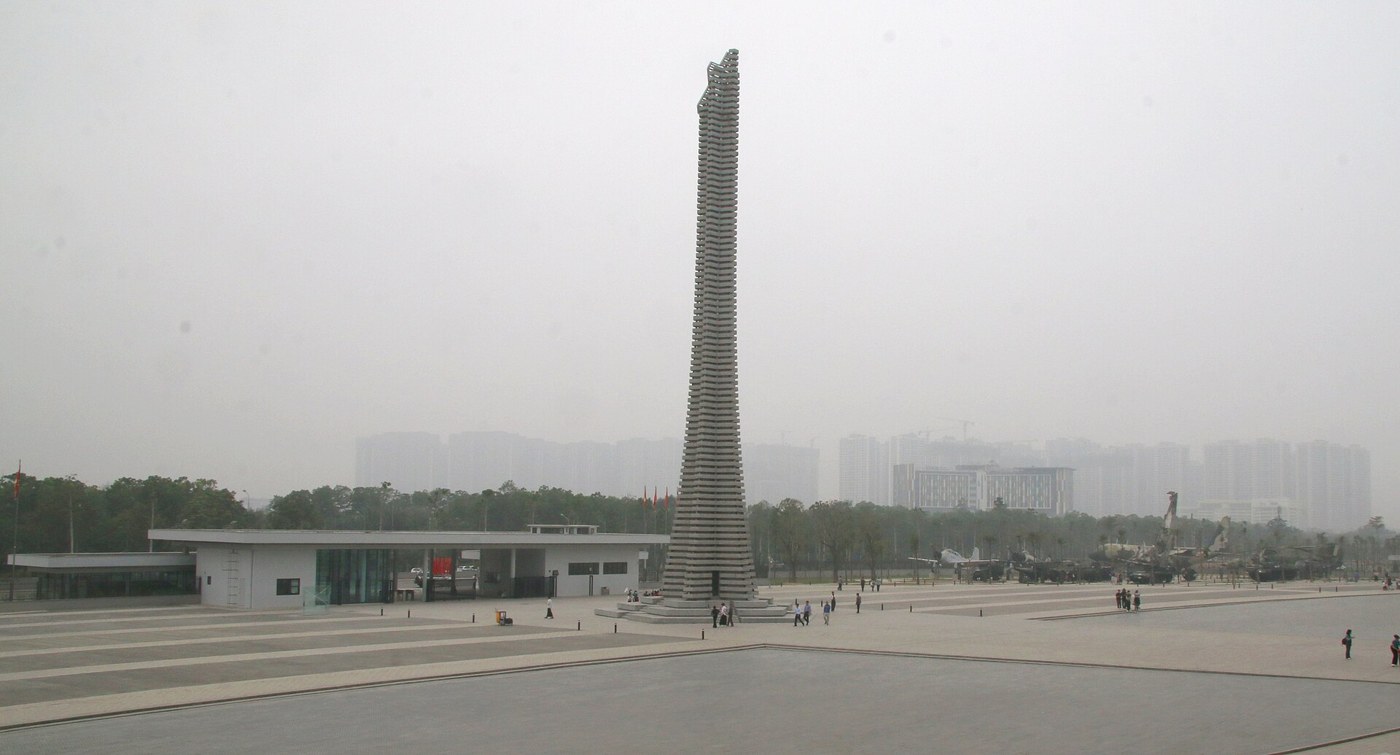
The Victory Tower serves as a recognizable focal point amidst the vast courtyard. On clear days, standing at a moderate distance makes it easier to frame the entire height of the structure. There is no need to stand right at the base of the tower or block walkways to take photos.
For large outdoor exhibits, observe from designated pathways and obey instructional signs. Do not climb on, crawl inside, or attempt to operate any parts of the displays. Adults should keep a close eye on children, especially around uneven ground levels or in crowded zones.
Preparation for Families and Visitors Needing Assistance
- Wear comfortable shoes, hats, and bring water; consume food and drinks only in designated areas, and avoid eating in exhibition rooms where prohibited.
- For young children, pick a few key stops and rest early when fatigue sets in. Explain history at an age-appropriate level without forcing kids through content that makes them restless.
- If you need a wheelchair or mobility assistance, inquire in advance about access routes, elevators, and rest spots rather than guessing from photos.
- Check your transportation options for getting there and back, especially when using buses or ride-hailing services; do not rely on routes or fares from outdated travel logs.
- Keep luggage compact, read photography rules, and avoid using flash in restricted areas.
The three photos in this article were taken at the new facility between 2024 and 2025, intended to illustrate architecture and space rather than confirm visitor volume or weather on your specific day of arrival. A selective visit focused on understanding a few key stories with adequate rest time is usually more rewarding than trying to see everything at once.